
Yoga Toe Shoes vs. Barefoot: Which Feels Right for You?
Yoga Starts From the Ground Up
Yoga doesn't begin with the pose.
It begins with your feet.
Every stretch, balance, transition, and breath is connected to the way your feet meet the surface beneath you. That's one reason practicing barefoot has always been such a natural part of yoga.
But barefoot isn't the only way to move.
For some people, the freedom of going barefoot is exactly what they want. For others, a flexible pair of toe shoes offers a little more coverage and grip while keeping that close-to-the-ground feeling.
So, which feels right for you?
There isn't one universal answer.
It depends on where you practice, how you move, and what makes you feel most comfortable.
What Changes When You Put on Toe Shoes?
Traditional athletic shoes usually place all five toes inside one enclosed toe box.
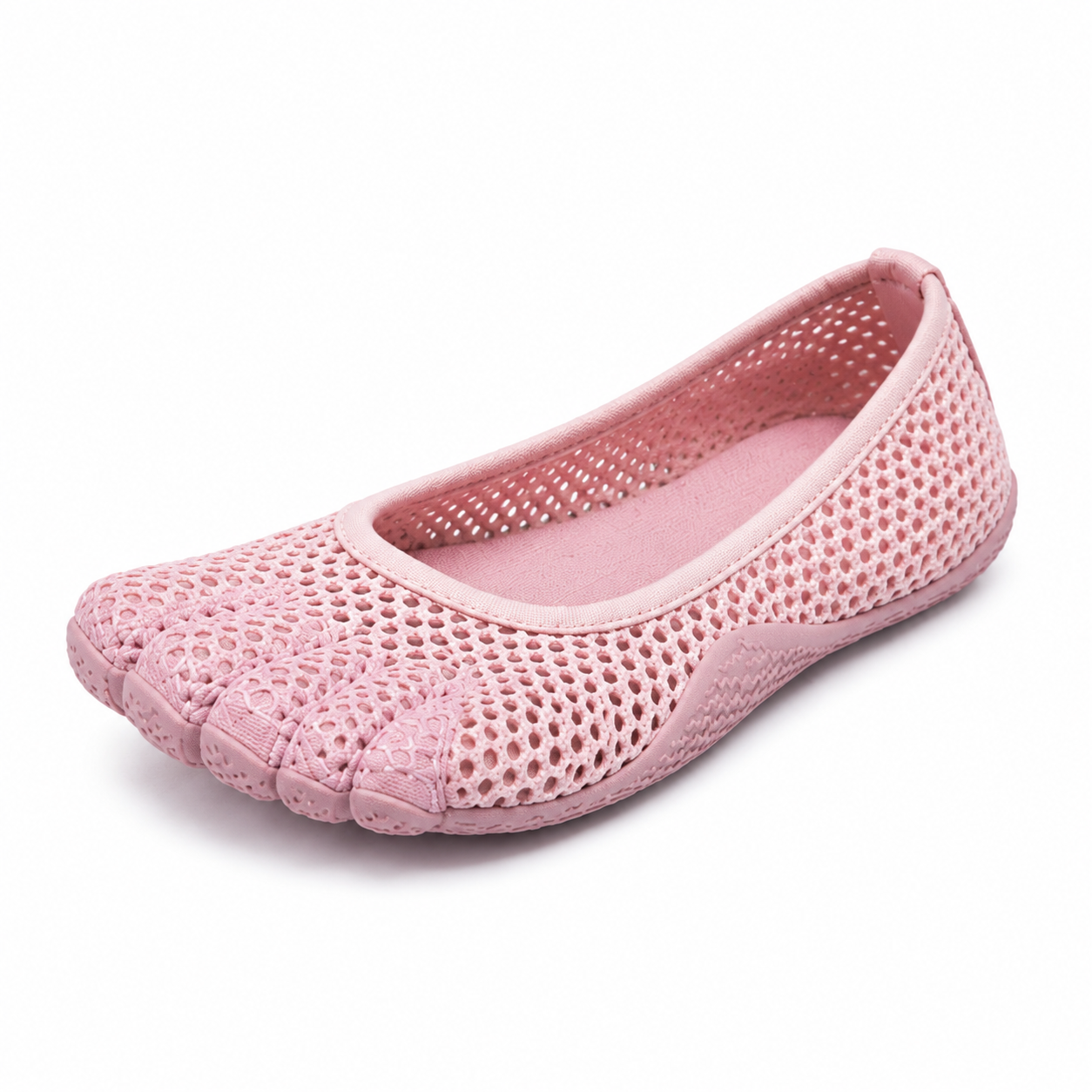
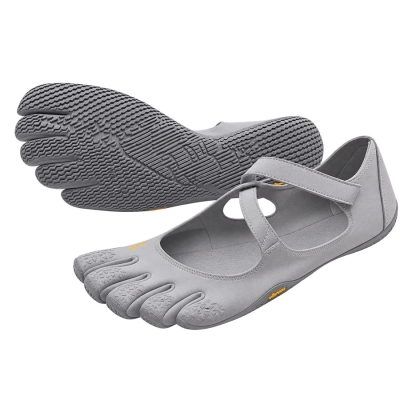
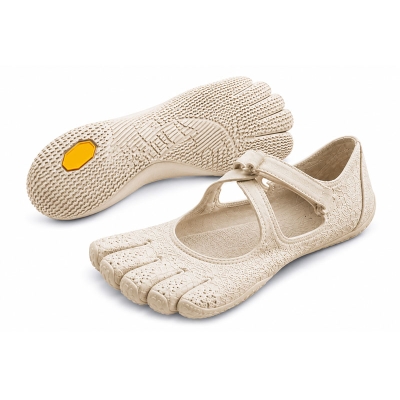
Toe shoes take a different approach.
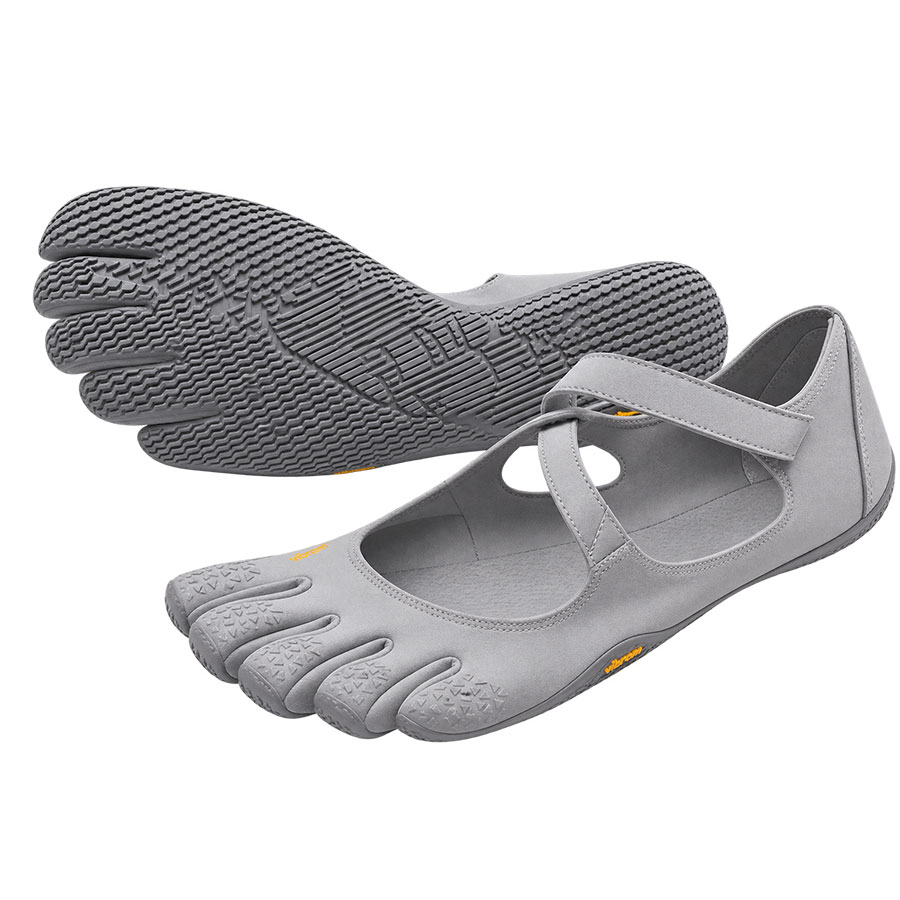
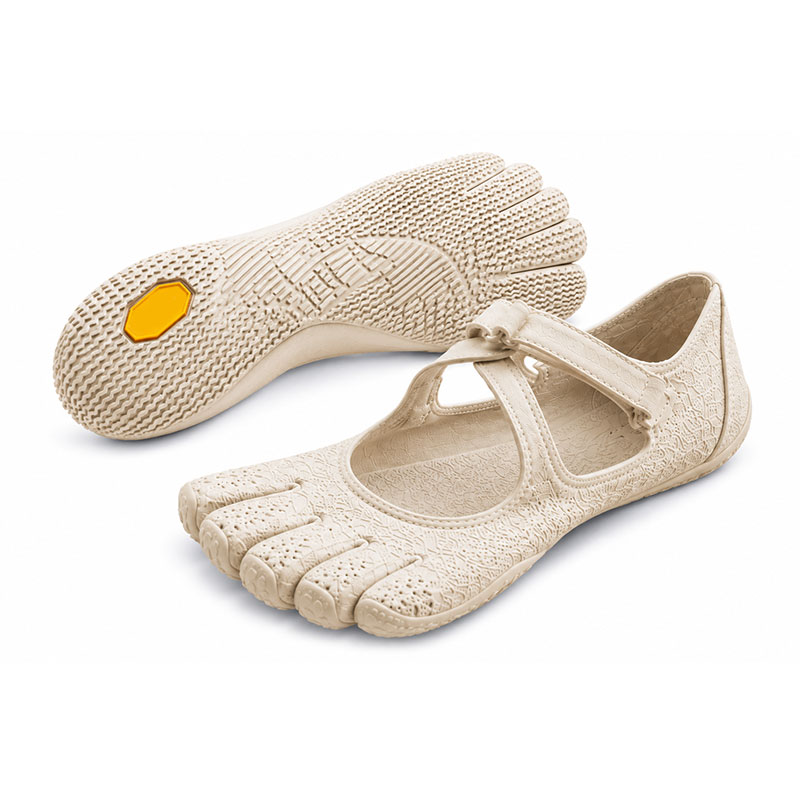
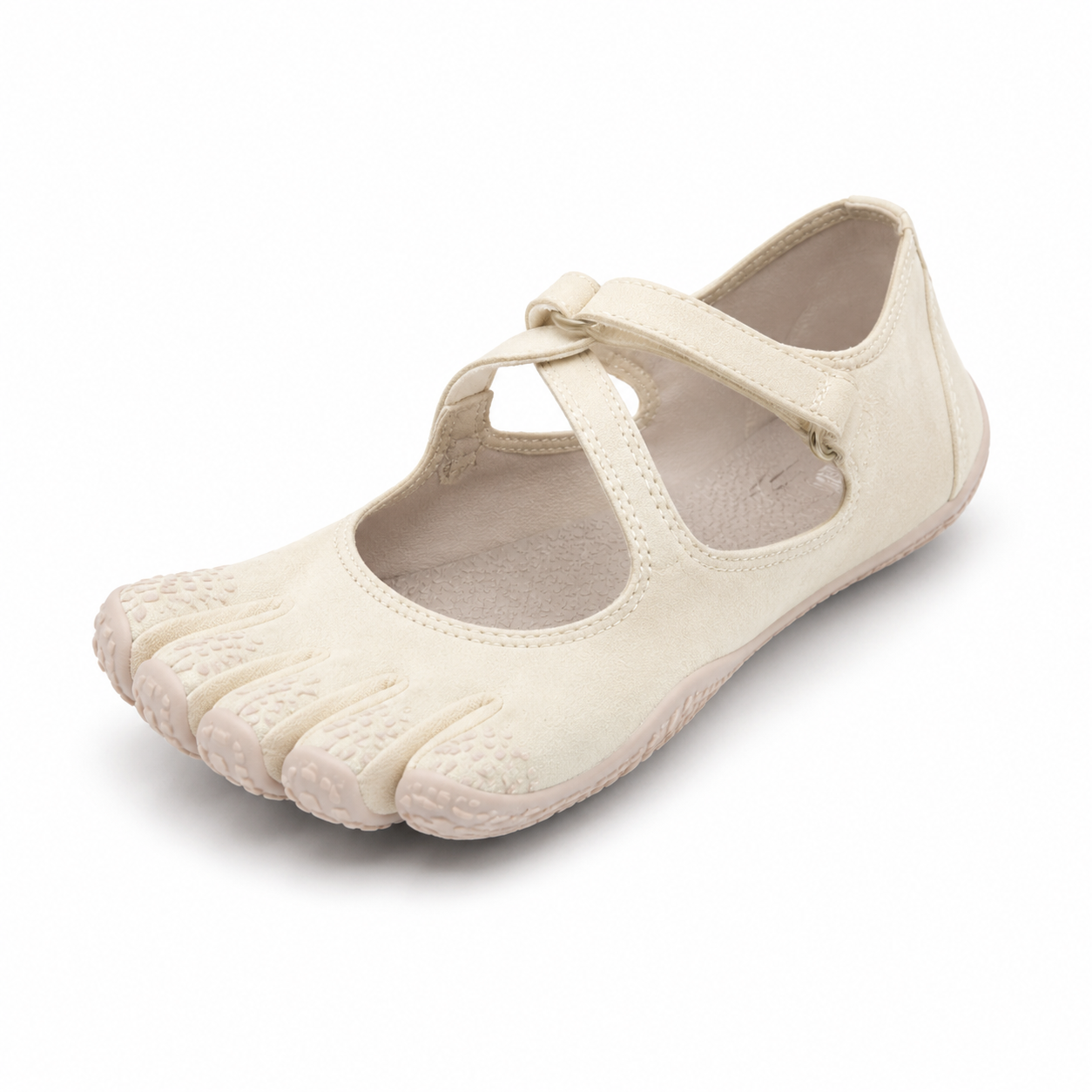
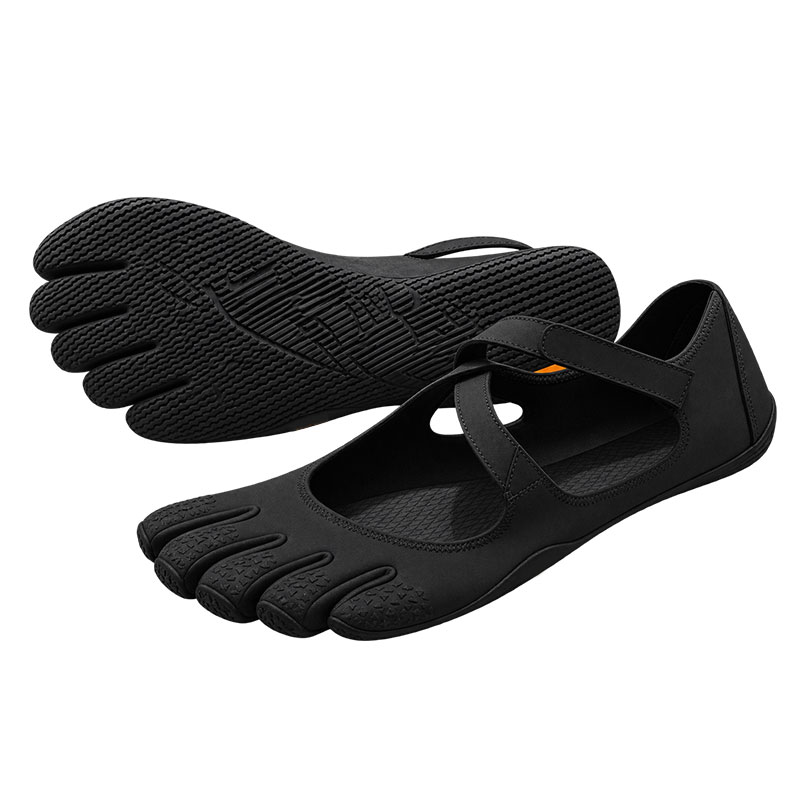
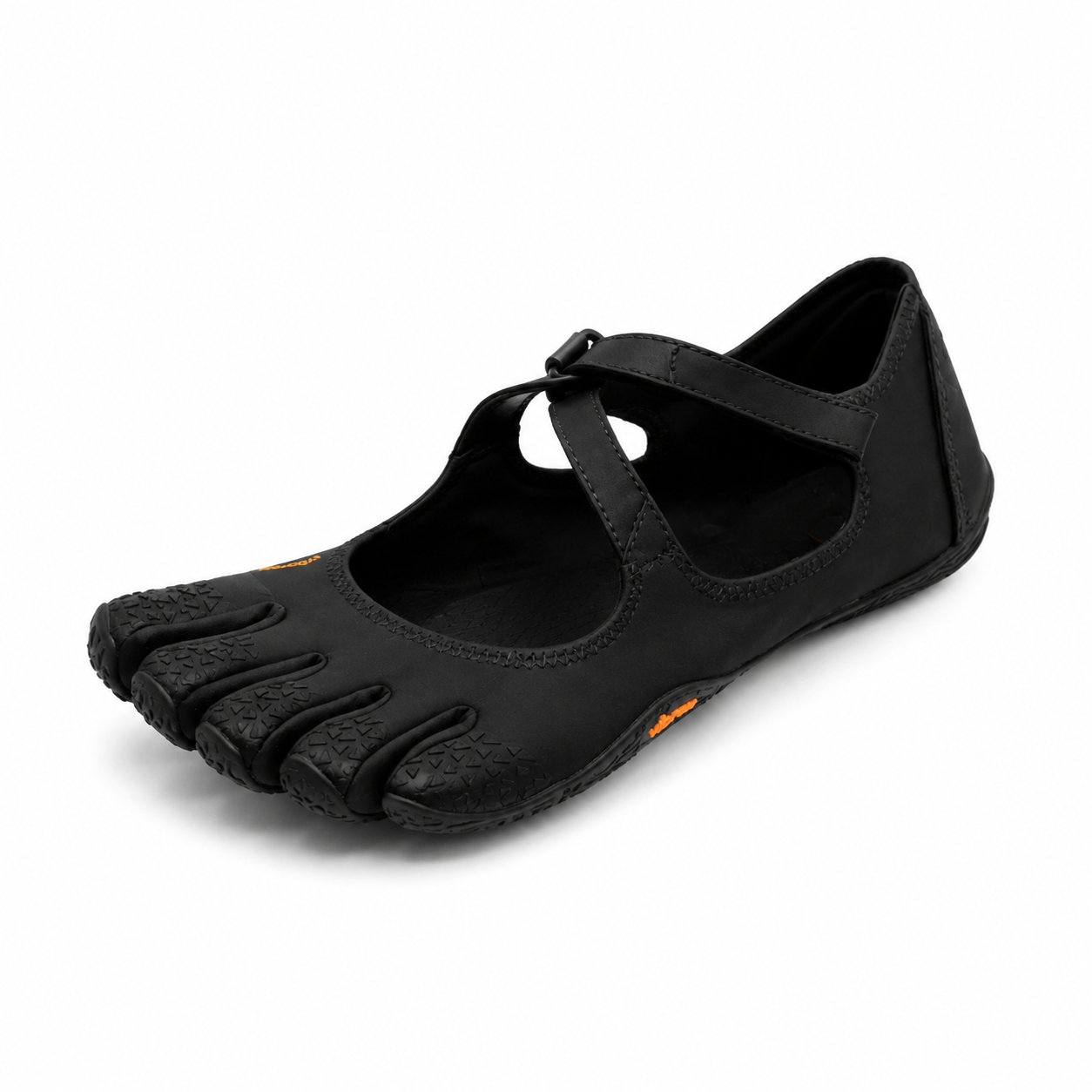
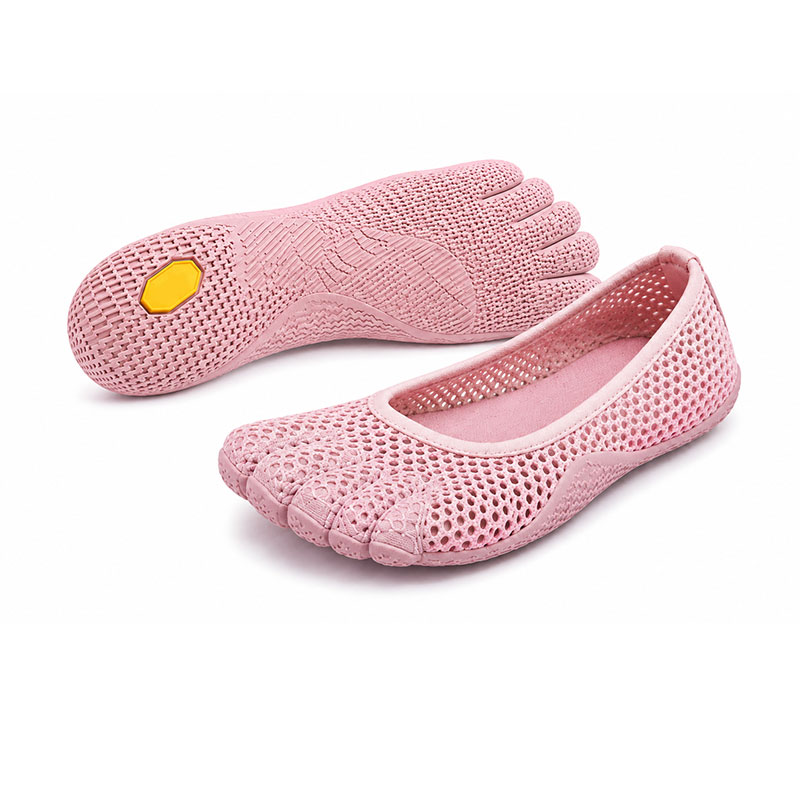
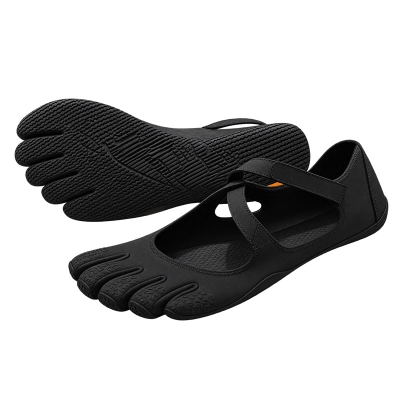
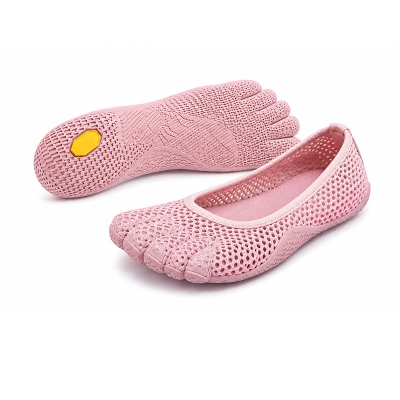
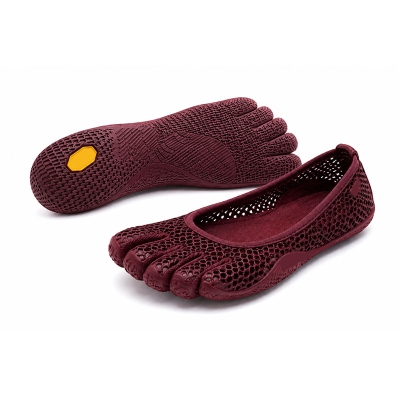
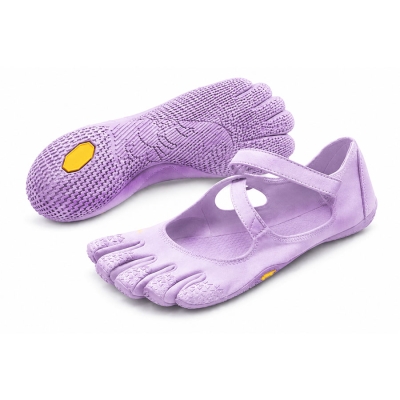
Each toe has its own space, allowing your toes to move more independently while a flexible sole provides a lightweight layer between your feet and the ground.
The result is a different kind of footwear experience.
You still get the feeling of moving close to the ground, but with added coverage and, depending on the outsole, additional traction.
For yoga, Pilates, stretching, and other low-impact movement, that combination can feel like a natural middle ground between being completely barefoot and wearing conventional athletic shoes.
Less bulk. More freedom. A little more coverage.
Barefoot vs. Toe Shoes: What's the Difference?
At first glance, the difference seems simple.
One means no shoes.
The other means wearing shoes designed to feel as close to barefoot as possible.
But the experience can be quite different.
Barefoot
Going barefoot gives you the most direct connection with the surface beneath you.
Your toes are completely unrestricted, and there is nothing between your feet and the mat or floor.
For many yoga practitioners, that simplicity is part of the experience.
Toe Shoes
Toe shoes preserve many of those qualities while adding a lightweight layer of footwear.
Individual toe spaces allow your toes to move independently, while a flexible sole can provide grip and a little more coverage.
This can be especially appealing when you want to practice in different environments or simply prefer having something between your feet and the ground.
At a Glance
| Barefoot | Toe Shoes | |
|---|---|---|
| Direct ground contact | ✓ | ✓ |
| Individual toe movement | ✓ | ✓ |
| Foot coverage | — | ✓ |
| Lightweight feel | ✓ | ✓ |
| Grip | Depends on surface | Depends on outsole |
| Outdoor versatility | Surface-dependent | Often more versatile |
| Easy to wear beyond practice | — | ✓ |
Neither option is automatically better.
They're simply different ways to move.
The Case for Going Barefoot
There is a reason barefoot yoga has remained so popular.
It's simple.
No extra equipment. No barrier between your feet and the ground. Just you, your mat, and your movement.
Going barefoot can give you:
Direct Ground Connection
You can feel the surface beneath your feet without anything in between.
Maximum Toe Freedom
Your toes are completely unrestricted and can move naturally.
A Minimal Experience
There is nothing to think about except your practice.
If you're practicing in a clean, comfortable environment and enjoy the feeling of being completely barefoot, you may not need anything else.
For many people, barefoot is still the most natural choice.
The Case for Toe Shoes
Toe shoes offer another way to experience movement.
Think of them as a middle ground between barefoot freedom and everyday footwear.
They can provide:
Individual Toe Space
Each toe has its own compartment rather than being compressed into one traditional toe box.
Flexible Movement
A flexible sole can bend and move with your feet during stretches, transitions, and controlled movements.
Additional Coverage
Some people simply prefer having a layer between their feet and the floor, mat, or outdoor surface.
Added Grip
Depending on the design, a traction-focused outsole can provide additional grip during balance poses and movement sequences.
More Versatility
Toe shoes can move beyond the yoga mat and become part of a broader active lifestyle.
For people who enjoy the feeling of barefoot movement but want a little more versatility, this combination can be appealing.
Which One Fits Your Practice?
The right choice often comes down to where and how you practice.
Choose Barefoot If You...
Love direct contact with the ground
Practice primarily on a clean yoga mat or studio floor
Prefer the simplest possible setup
Enjoy completely unrestricted toe movement
Feel comfortable practicing without footwear
Consider Toe Shoes If You...
Want some coverage without bulky footwear
Prefer a lightweight, flexible feel
Want individual toe movement
Practice in different environments
Prefer additional grip
Want footwear that can move beyond the yoga mat
There's no need to choose one forever.
You can practice barefoot when the environment feels right and reach for toe shoes when you want a little more coverage or versatility.
Your practice can change with you.
From Studio to Outdoors
Your movement doesn't always happen inside a studio.
A morning stretch on the terrace.
A Pilates session before work.
Yoga on a wooden deck.
A light mobility routine outside.
A walk after class.
Movement can happen anywhere.
Yoga
Barefoot practice offers the most direct connection to your mat.
Toe shoes can provide a similar lightweight, flexible experience while adding coverage and grip.
Pilates
Pilates focuses on controlled movement, stability, and body awareness.
Both barefoot and flexible toe shoes can work well, depending on your personal preference and the surface you're using.
Outdoor Practice
This is where toe shoes can become particularly useful.
Barefoot practice outdoors depends heavily on the surface. Grass, wooden decks, outdoor studios, and other comfortable environments can feel great, but rough, dirty, or unfamiliar surfaces may make footwear a more practical choice.
Toe shoes can provide an additional layer between your feet and the environment without the bulk of traditional athletic shoes.
Everyday Movement
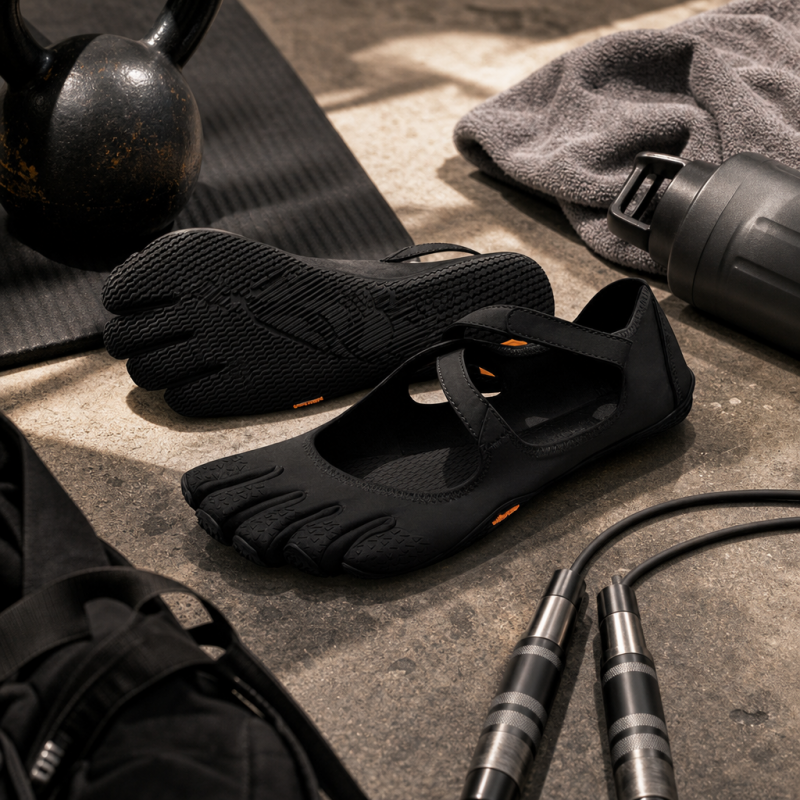
Your footwear doesn't have to stay in your workout bag.
A lightweight pair of toe shoes can also fit naturally into an active lifestyle—from a morning walk to a casual outdoor day.
Move beyond the mat.
New to Barefoot Movement?
If you're completely new to barefoot shoes or toe shoes, give your feet time to adjust.
The individual toe design can feel different from conventional footwear, especially during the first few wears.
Start small.
Wear your toe shoes for a short walk or a light movement session before taking them into a longer workout.
Pay attention to how your feet feel.
There's no benefit to forcing your feet to adapt overnight.
The goal is comfort and natural movement—not simply wearing your shoes for as long as possible.
And if barefoot practice feels unfamiliar too, the same principle applies.
Start gradually.
Listen to your body.
Let movement become something you explore rather than something you have to rush.
So, Which Is Better?
The honest answer?
It depends on you.
Barefoot practice offers the purest connection to the ground. It's simple, unrestricted, and timeless.
Toe shoes offer another option.
They can preserve many of the qualities people love about barefoot movement while adding coverage, flexibility, and potentially more grip.
If you love practicing barefoot and have a comfortable surface, there may be no reason to change.
But if you love the feeling of moving naturally and want something a little more versatile, toe shoes may be worth exploring.
It's not about choosing one side.
It's about finding the way of moving that feels right for you.
Frequently Asked Questions
Are toe shoes better than going barefoot for yoga?
Not necessarily.
Barefoot and toe shoes offer different experiences. Barefoot provides direct contact with the ground, while toe shoes can offer similar freedom of movement with added coverage and grip.
The better choice depends on your environment and personal preference.
Can I practice yoga barefoot and wear toe shoes on other days?
Absolutely.
You don't need to commit to one option all the time. Many people may prefer barefoot practice in a studio and toe shoes for outdoor sessions or other activities.
Are toe shoes good for beginners?
They can be, but the individual toe design may take some getting used to.
Start with shorter sessions and allow your feet time to become familiar with the fit and movement.
Can I wear toe shoes for Pilates?
Yes. Flexible toe shoes can be suitable for Pilates, particularly for controlled movements, stretching, and stability-focused exercises.
Always choose a pair that fits comfortably and provides appropriate traction for the surface.
Can I wear toe shoes outdoors?
Depending on the design, toe shoes can work well for many light outdoor activities.
Always consider the surface and the outsole before using them in unfamiliar or demanding environments.
How should toe shoes fit?
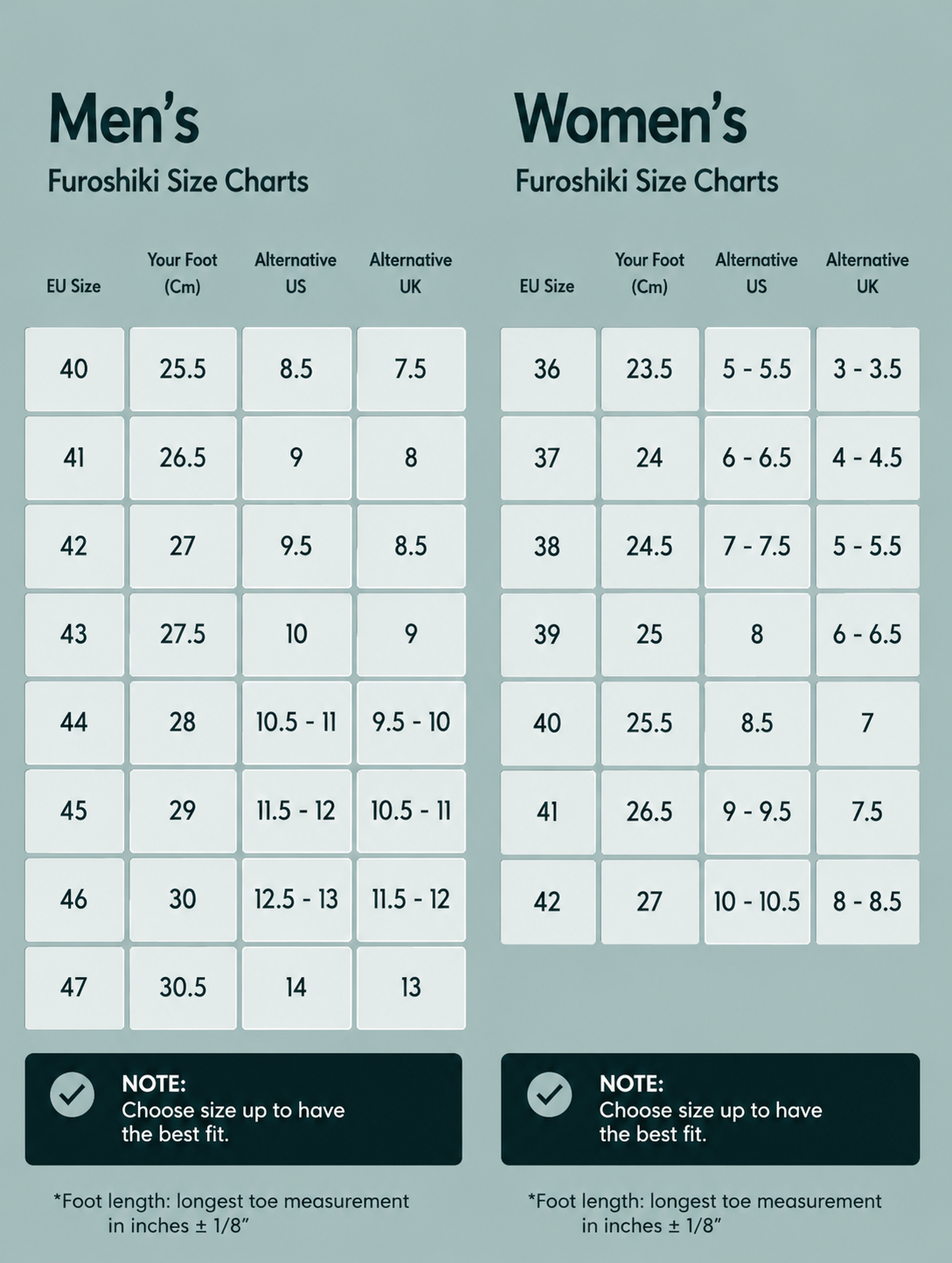
Each toe should sit comfortably in its own space without feeling squeezed.
The heel should feel secure, while your toes should still have enough room to move naturally.
A good fit should feel supportive without feeling restrictive.
Move Your Way.
Barefoot or covered.
Inside or outside.
Slow stretches or full flows.
There isn't one perfect way to move.
What matters is finding footwear—or no footwear—that helps you feel comfortable, connected, and free to move.
Your practice is yours.
Move your way.
Explore Toe Shoes →