Blog Title
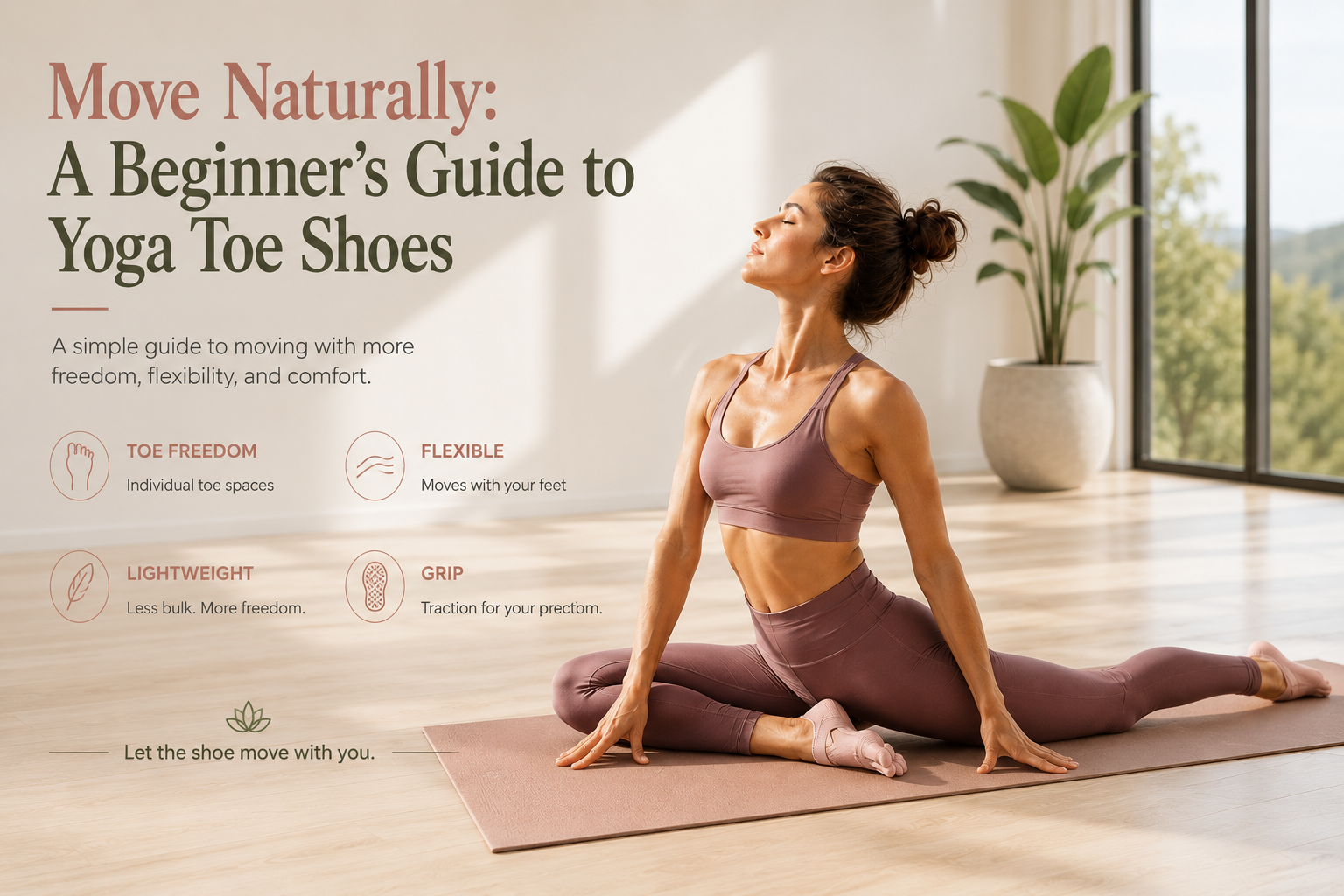
Move Naturally: A Beginner’s Guide to Yoga Toe Shoes
Blog Summary
Discover a more natural way to move. Explore how yoga toe shoes support flexibility, balance, grip, and everyday comfort—from yoga and Pilates to outdoor movement.
Move Naturally: A Beginner’s Guide to Yoga Toe Shoes
Yoga is about more than holding a pose.
It’s about how you move, how you balance, and how connected you feel to the ground beneath you.
That’s why many people choose to practice barefoot. Without bulky footwear, your feet can move naturally as you stretch, balance, and transition between poses.
But barefoot isn’t always practical.
You might be practicing outdoors, moving between different surfaces, or simply looking for a little more grip and protection without giving up the feeling of natural movement.
That’s where yoga toe shoes come in.
Lightweight, flexible, and shaped around the natural form of the foot, yoga toe shoes offer a different approach to movement—one that sits somewhere between barefoot freedom and everyday footwear.
What Makes Yoga Toe Shoes Different?
Traditional athletic shoes usually place all five toes inside one enclosed toe box.
Yoga toe shoes take a different approach.
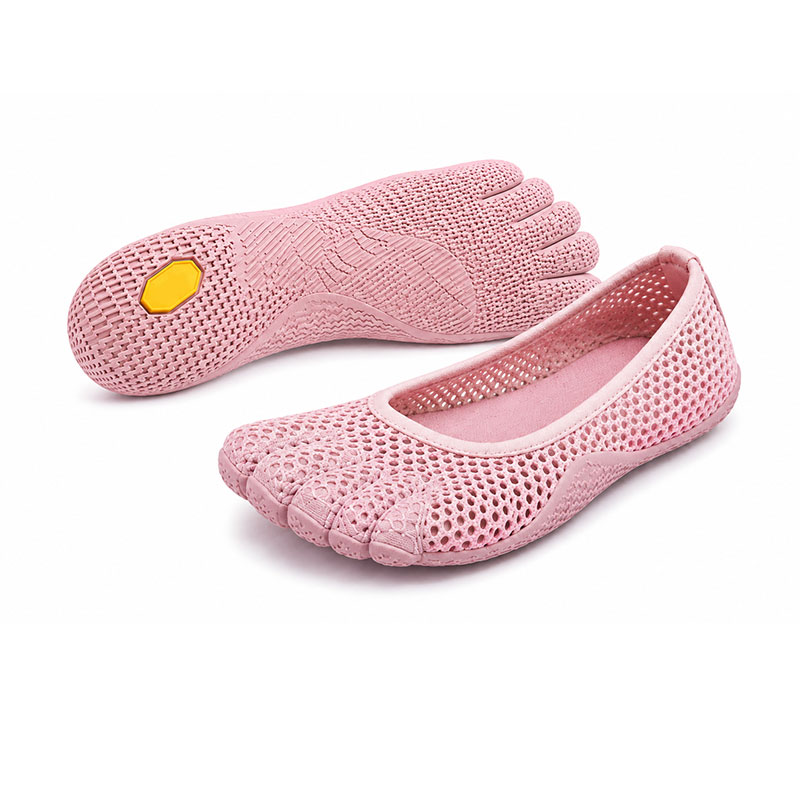
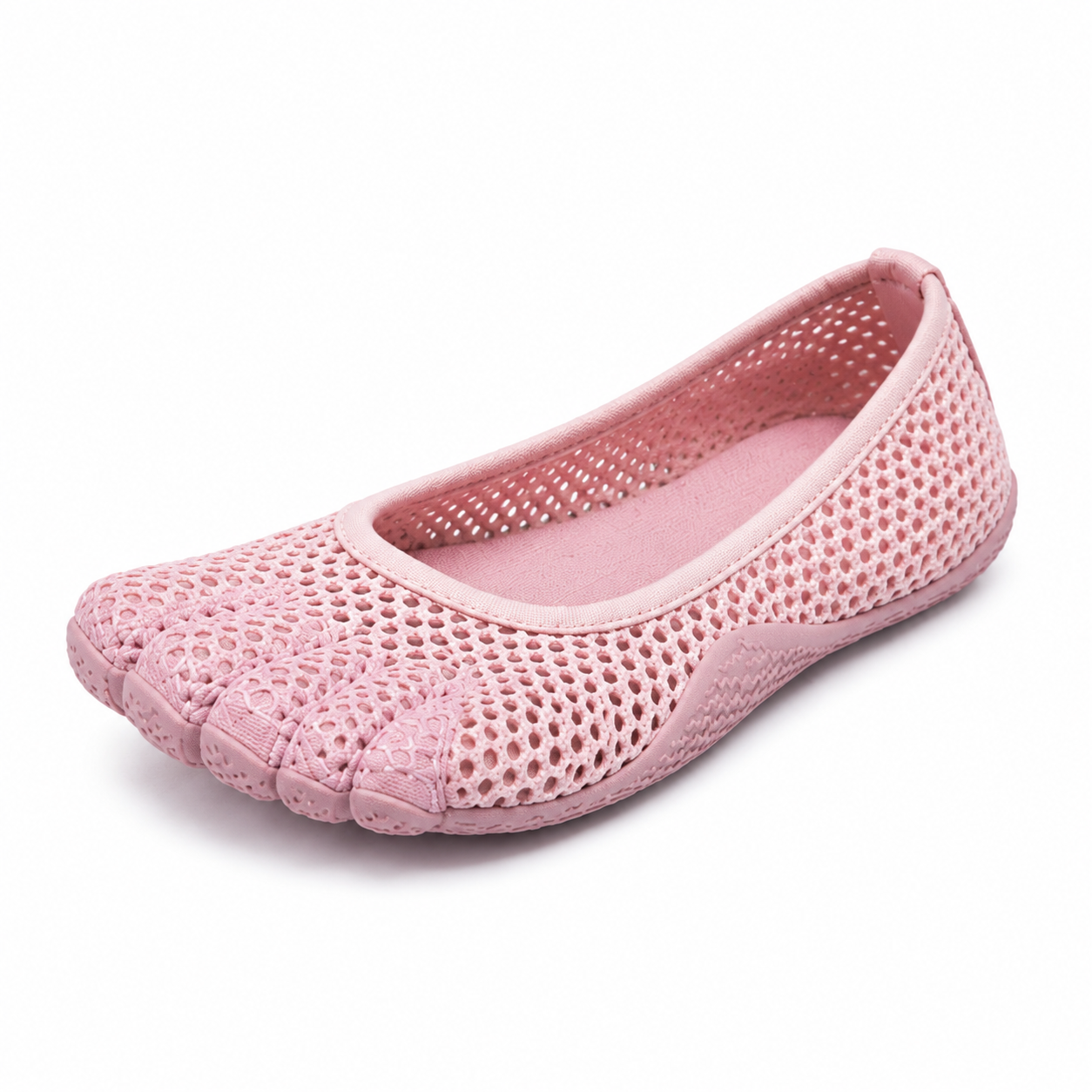
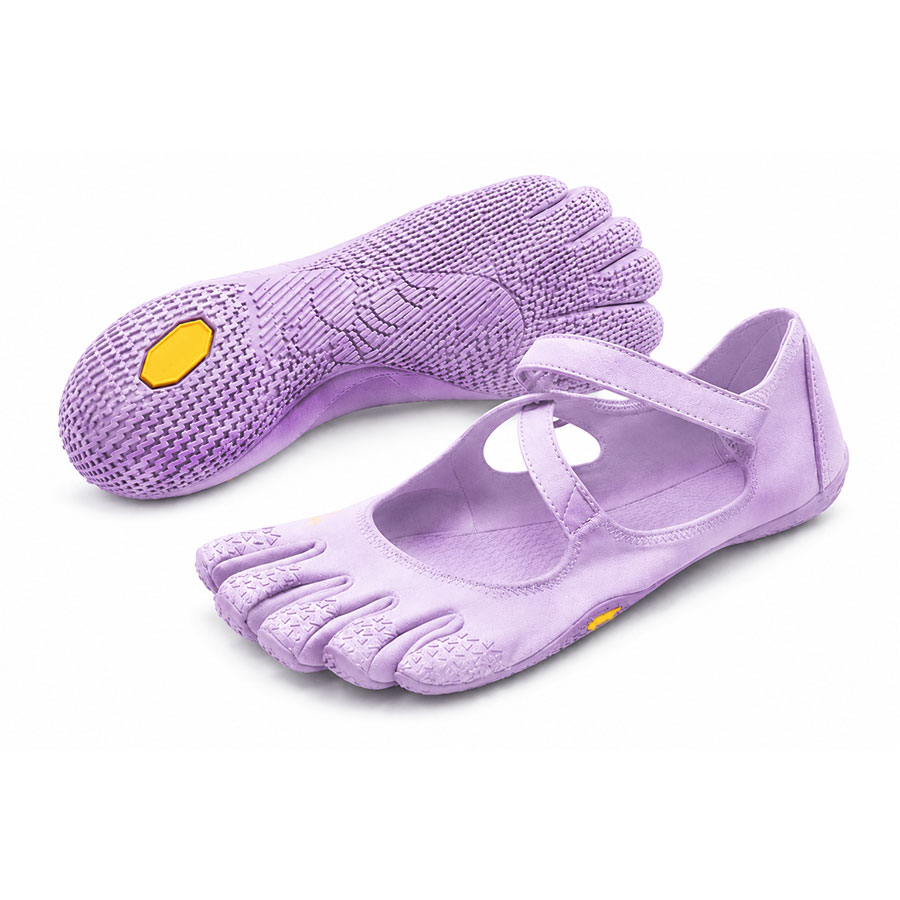
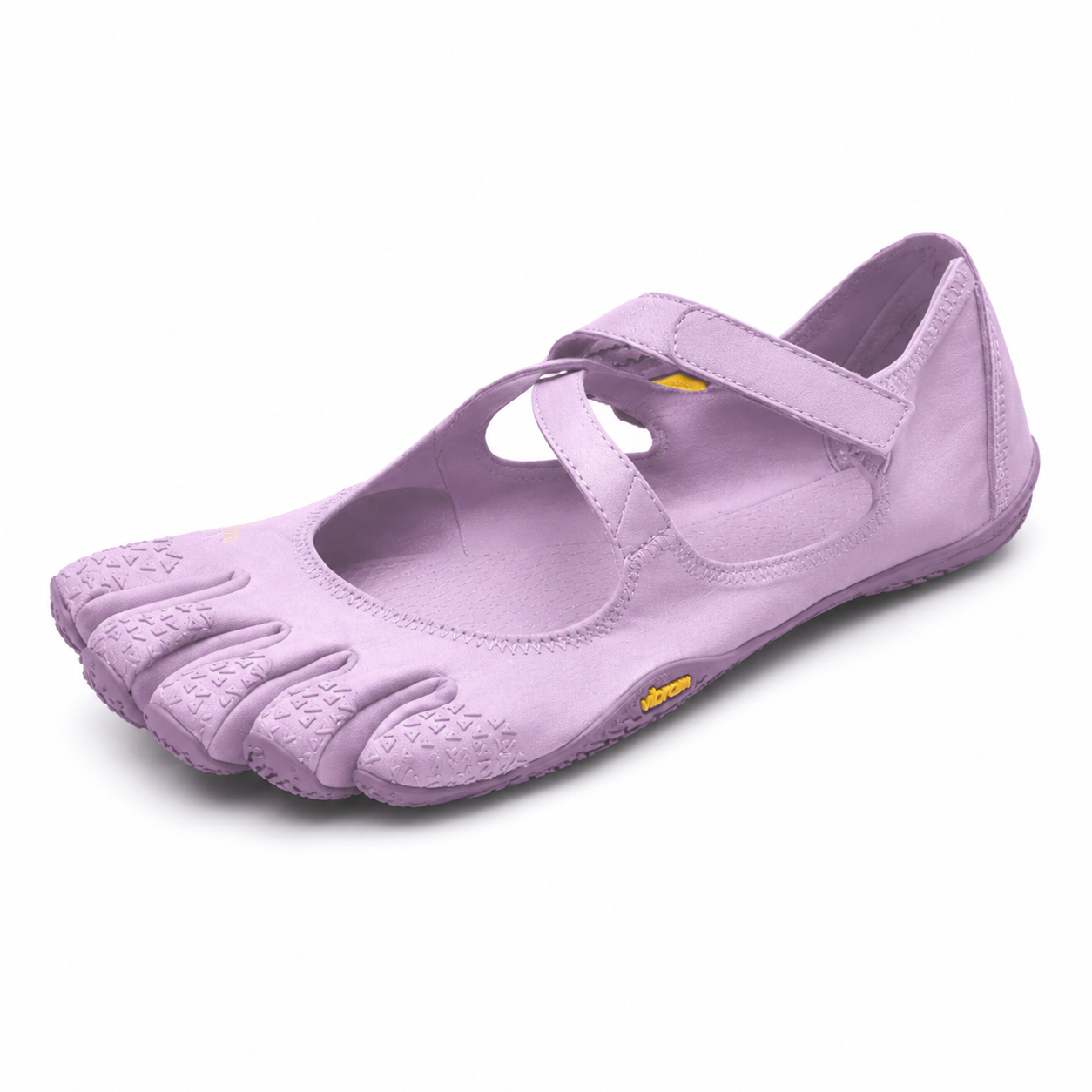
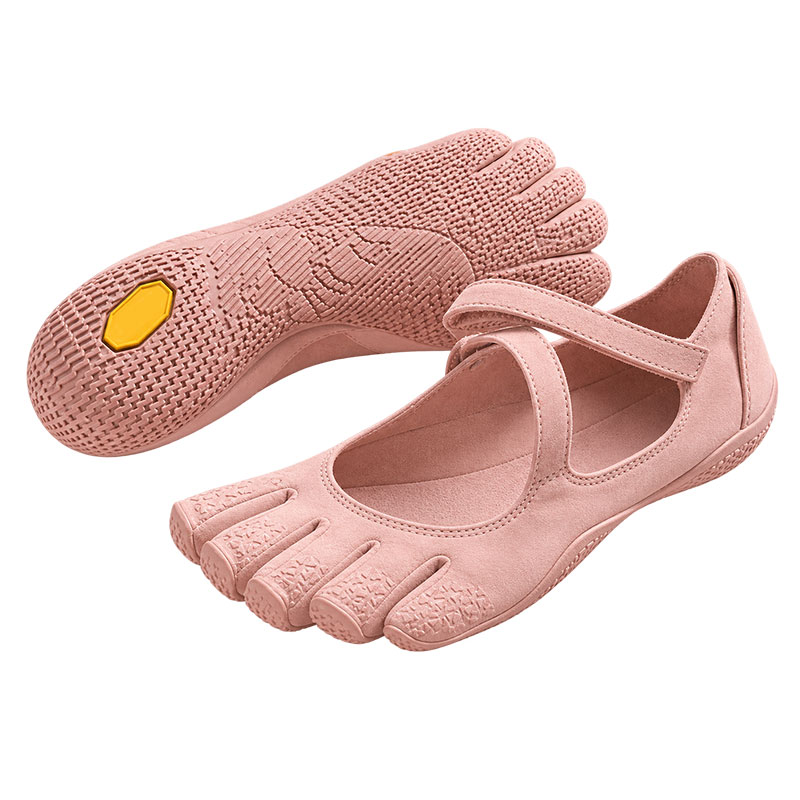
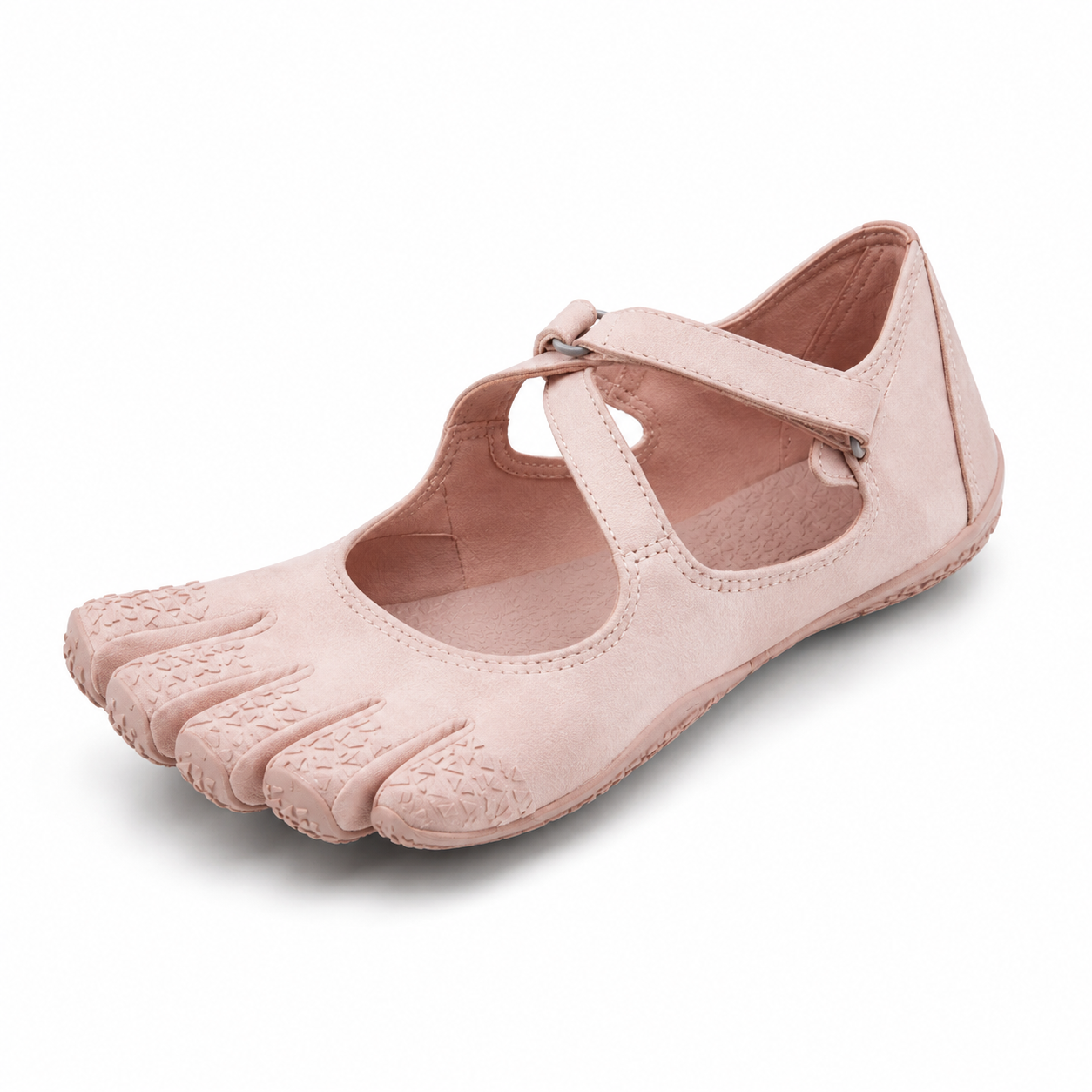
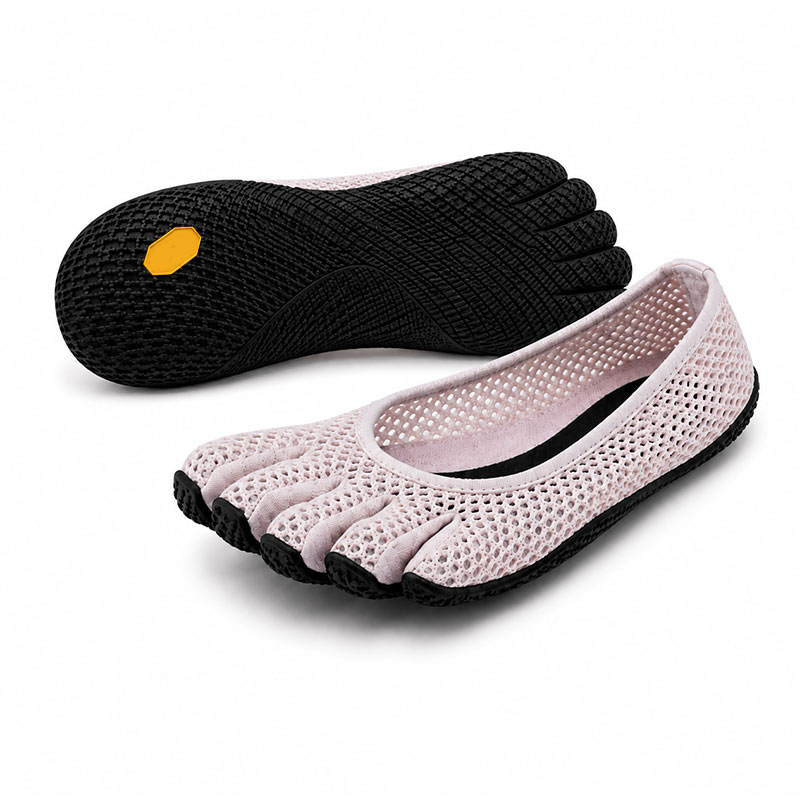
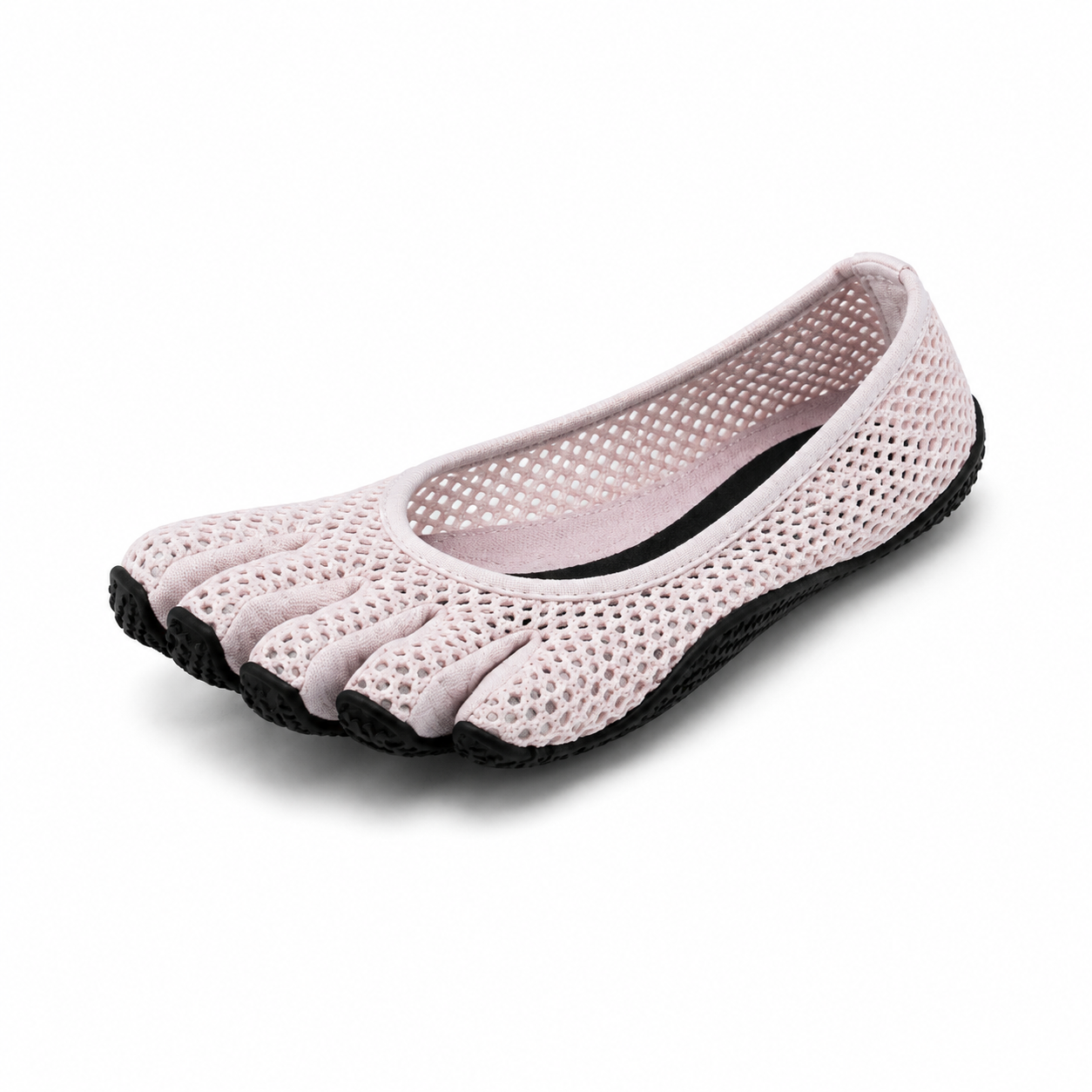
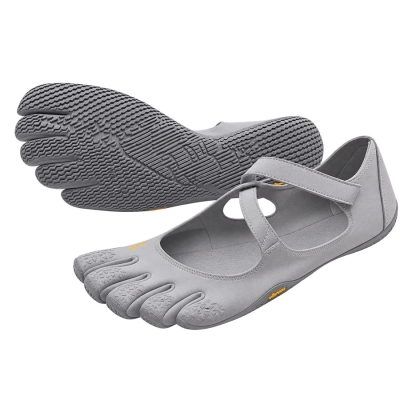
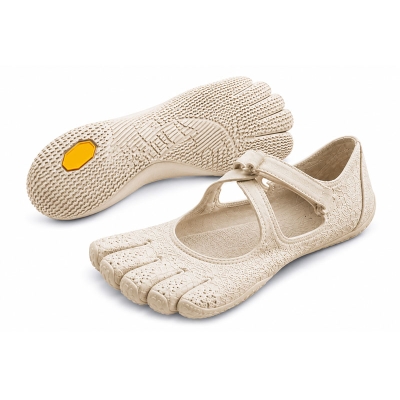
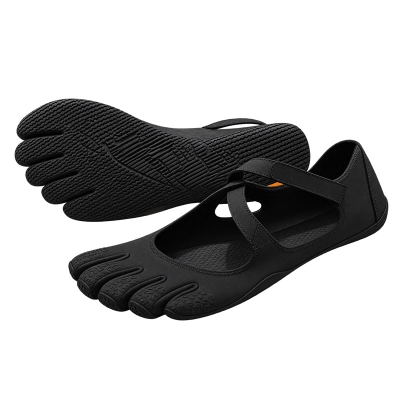
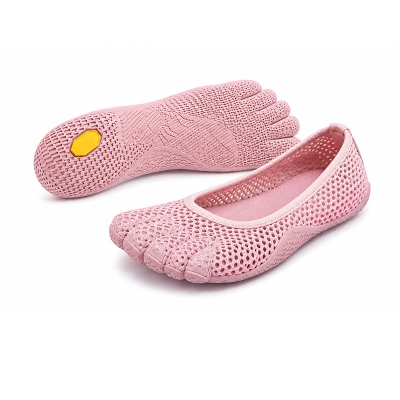
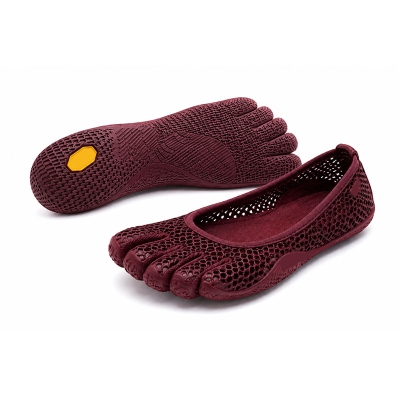
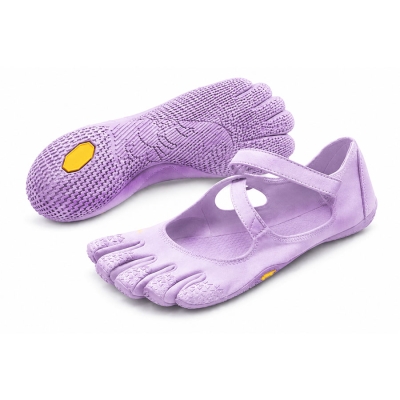
Each toe has its own space, allowing the toes to move more independently while the flexible sole follows the movement of your feet.
The result is a lightweight, close-to-the-ground feel that can make movement feel less restricted.
Instead of asking your feet to adapt to the shape of the shoe, the idea is simple:
Let the shoe move with you.
A typical pair of barefoot-inspired yoga shoes may feature:
Individual spaces for each toe
A flexible, low-profile sole
Lightweight construction
A foot-shaped design
A grippy outsole
Flexible materials that move with the foot
It’s less about adding more structure and more about giving your feet the freedom to move.
Why Your Feet Matter in Movement
Your feet are involved in almost everything you do.
Every time you stand, stretch, balance, walk, or transition between movements, your feet are adjusting to changes in pressure and position.
During yoga and Pilates, this awareness becomes even more noticeable.
A standing balance pose isn't only about your legs. Your feet are constantly making small adjustments beneath you.
A stretch isn't only about flexibility. Your feet help create a stable foundation.
And when you move from one position to another, the way your feet contact the ground can influence how the movement feels.
That’s why footwear can matter more than you might expect.
The closer you feel to your movement, the more intentional that movement can become.
Move With More Freedom
One of the most noticeable features of toe shoes is the individual toe design.
Rather than keeping your toes together inside a traditional shoe, each toe has its own space.
This creates a more open feeling around the front of the foot and allows the toes to participate more naturally in movement.
For yoga, mobility work, and stretching, that can be especially appealing.
You may notice the difference when moving through:
Standing poses
Balance exercises
Gentle stretches
Controlled transitions
Mobility routines
The goal isn't to make every movement harder.
It’s to create footwear that feels less intrusive.
Feel More Connected to the Ground
There’s something different about feeling the surface beneath your feet.
A thick, structured shoe can create distance between your foot and the ground.
A flexible, low-profile sole can create a more grounded sensation.
For yoga and Pilates, that feeling can be part of the experience.
Whether you're practicing on a studio floor, a yoga mat, or a suitable outdoor surface, a closer-to-the-ground design allows you to stay aware of how your feet are positioned.
For many people, that sense of connection is one of the biggest reasons to explore barefoot-inspired footwear.
Find Your Balance
Balance is not something that happens only in your core or legs.
Your feet are part of the equation too.
When you stand on one leg or move through a controlled transition, your feet constantly make small adjustments to maintain stability.
A flexible sole with a suitable traction pattern can provide additional grip between your feet and the surface beneath you.
This can be useful during:
Yoga
From standing balances to flowing transitions.
Pilates
During controlled movements and stability-focused exercises.
Mobility Training
When moving through stretches and range-of-motion exercises.
Outdoor Wellness
When practicing on appropriate outdoor surfaces.
Good grip doesn't replace technique, but it can help you feel more confident as you move.
Lightweight Feel, All Day
Yoga footwear doesn't need to feel like a pair of traditional training shoes.
For activities built around flexibility and controlled movement, lightweight footwear can feel much more natural.
A flexible design allows the shoe to bend with your foot instead of resisting every movement.
And because toe shoes are not limited to the yoga mat, they can easily become part of your everyday activewear rotation.
Wear them for your morning stretch.
Take them to Pilates.
Use them for a light outdoor workout.
Or simply keep moving through the rest of your day.
Less bulk. More freedom.
From Yoga to Pilates—and Beyond
Movement doesn't stop when your yoga session ends.
Your active lifestyle might include a morning Pilates class, an afternoon walk, a weekend outdoor workout, or a few minutes of stretching before bed.
Yoga toe shoes can fit naturally into these different moments.
Yoga
Yoga is about movement, balance, flexibility, and awareness.
A flexible toe shoe can provide a combination of foot freedom and grip while allowing your toes to move more independently.
Pilates
Pilates focuses on controlled movement, stability, and body awareness.
Lightweight footwear can help keep the experience comfortable without adding unnecessary bulk.
Outdoor Practice
Taking your practice outside changes the experience.
A wooden deck, outdoor studio, or suitable training surface can give your routine a completely different atmosphere.
Toe shoes provide an additional layer between your feet and the ground while maintaining a lightweight and flexible feel.
Everyday Athleisure
Your workout wardrobe doesn't have to stop at leggings and a sports bra.
Minimalist footwear can become part of an everyday activewear look—whether you're heading to a class, taking a walk, or simply enjoying a slower day outdoors.
The result is footwear that feels less like equipment and more like part of your lifestyle.
Who Are Yoga Toe Shoes For?
You don't need to be an experienced yogi to explore toe shoes.
They may be a good fit for people who enjoy movement and prefer footwear that feels flexible rather than heavily structured.
They can be especially appealing to:
Yoga Lovers
For those who value balance, flexibility, and natural movement.
Pilates Enthusiasts
For controlled movement and stability-focused workouts.
Barefoot Movement Fans
For anyone interested in minimalist or barefoot-inspired footwear.
Outdoor Wellness Enthusiasts
For people who enjoy taking their practice outside.
Everyday Athleisure Lovers
For those who want lightweight footwear that works beyond the workout.
The right footwear is personal.
What matters most is finding something that feels comfortable, moves naturally with your feet, and suits the way you live.
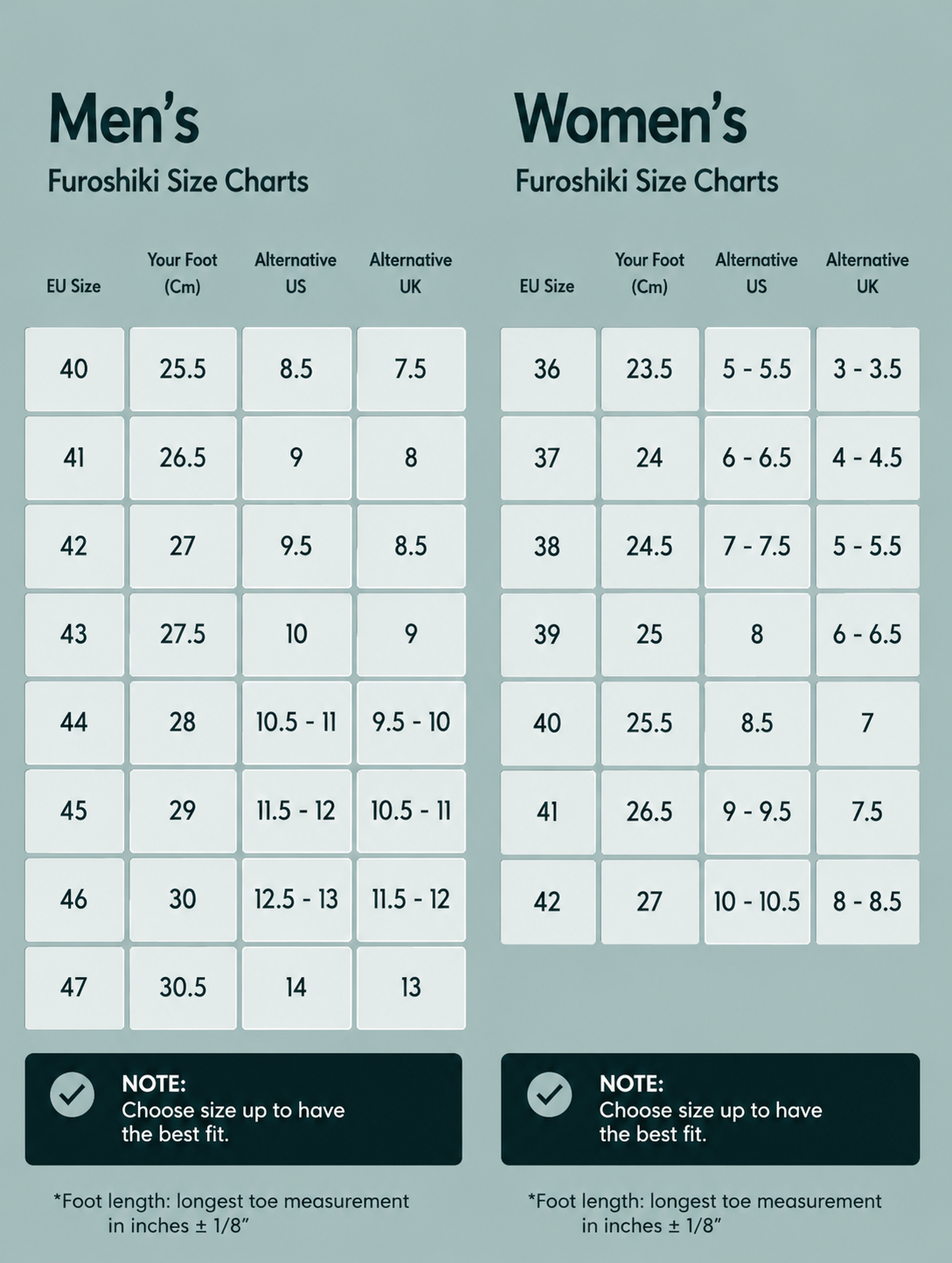
How to Find Your Right Fit
Choosing yoga toe shoes isn't complicated, but a few details are worth paying attention to.
Give Your Toes Room
Each toe should sit comfortably in its own space.
The fit should feel secure without squeezing or forcing your toes into an unnatural position.
Look for Flexibility
A good yoga shoe should be able to move with your foot.
For yoga, Pilates, and mobility work, excessive stiffness can make footwear feel distracting rather than helpful.
Consider the Grip
Think about where you'll use the shoes.
Indoor studio floors, yoga mats, wooden decks, and outdoor surfaces can all require different levels of traction.
Choose a sole that matches your routine.
Start Slowly
If you've never worn barefoot shoes or five-finger shoes before, the sensation may feel unfamiliar.
Start with shorter sessions and give your feet time to adjust.
There's no need to change everything overnight.
Natural movement is a process.
Are Yoga Toe Shoes Worth It?
There isn't one perfect shoe for everyone.
Some people love practicing completely barefoot. Others prefer the added coverage, grip, and comfort that flexible footwear provides.
Yoga toe shoes may be worth exploring if you value:
Natural foot movement
Individual toe freedom
A flexible feel
Lightweight footwear
Ground connection
Versatility across yoga, Pilates, and everyday movement
Think of them as another option in your footwear rotation—not a replacement for every shoe you own.
For the moments when you want to feel lighter, more flexible, and more connected to the way you move, they can offer something different.
Frequently Asked Questions
Can you wear toe shoes for yoga?
Yes. Flexible toe shoes can work well for many types of yoga, particularly when they provide a comfortable fit and appropriate grip for the surface you're practicing on.
Some people still prefer practicing completely barefoot, while others enjoy having additional coverage and traction.
Are yoga toe shoes good for Pilates?
They can be. Their flexible construction and individual toe spaces can work well for controlled Pilates movements.
Comfort, flexibility, and suitable traction are the most important factors to consider.
Are toe shoes comfortable for beginners?
They can be, but they may feel different from conventional athletic shoes.
The individual toe spaces create a unique sensation, so new users may need some time to adjust.
Start with shorter sessions and gradually increase wear time.
Can I wear yoga toe shoes outdoors?
Yes, depending on the shoe and the surface.
They can work well for many light outdoor activities, but always choose footwear with an outsole suited to the environment you're using it in.
How should yoga toe shoes fit?
Each toe should sit comfortably in its own space without excessive pressure.
Your heel should feel secure, while your toes should still have enough room to move naturally.
If your toes feel squeezed or uncomfortable, consider trying another size or fit.
What's the difference between barefoot shoes and regular athletic shoes?
Barefoot-inspired shoes generally focus on flexibility, a more foot-shaped design, individual toe movement, and a closer-to-the-ground feel.
Traditional athletic shoes often place more emphasis on cushioning and structured support.
Neither approach is automatically right for everyone. The best choice depends on your activity, preferences, and comfort.
Move Naturally. Practice Freely.
Movement doesn't have to be complicated.
Sometimes, it's simply about feeling comfortable enough to move, stretch, breathe, and enjoy the moment.
From your first stretch in the morning to your favorite yoga flow, a Pilates session, an outdoor workout, or an everyday walk, your feet are part of every movement.
Yoga toe shoes offer another way to experience that movement—with flexible construction, individual toe freedom, and a closer connection to the ground.
Move naturally. Practice freely.
Explore Yoga Toe Shoes →