Yoga Socks or Yoga Toe Shoes?
When it comes to yoga, what you wear on your feet can make a bigger difference than you might expect.
Some people prefer practicing completely barefoot, while others like having an extra layer of protection, warmth, or grip. Two popular options are regular yoga socks and yoga toe shoes.
At first glance, they may look similar. Both are lightweight, flexible, and designed for movement. But their construction and feel are quite different.
So, which one is better for yoga?
The answer depends on your practice, your comfort preferences, and where you usually exercise.
Let's take a closer look.
01 — What Are Regular Yoga Socks?
Regular yoga socks are lightweight socks designed specifically for yoga, Pilates, stretching, and other low-impact activities.
Most styles feature grip patterns on the bottom to help provide traction on a yoga mat or studio floor.
Unlike traditional socks, yoga socks are usually made from stretchy, breathable materials that allow your feet to move more naturally.
Key Features
- Lightweight and flexible
- Soft and comfortable
- Grip on the sole
- Helps keep feet warm
- Easy to put on and take off
- Often available in many colors and styles
For people who simply want a little extra warmth and grip during their yoga practice, regular yoga socks can be a simple choice.
02 — What Are Yoga Toe Shoes?
Yoga toe shoes take a slightly different approach.
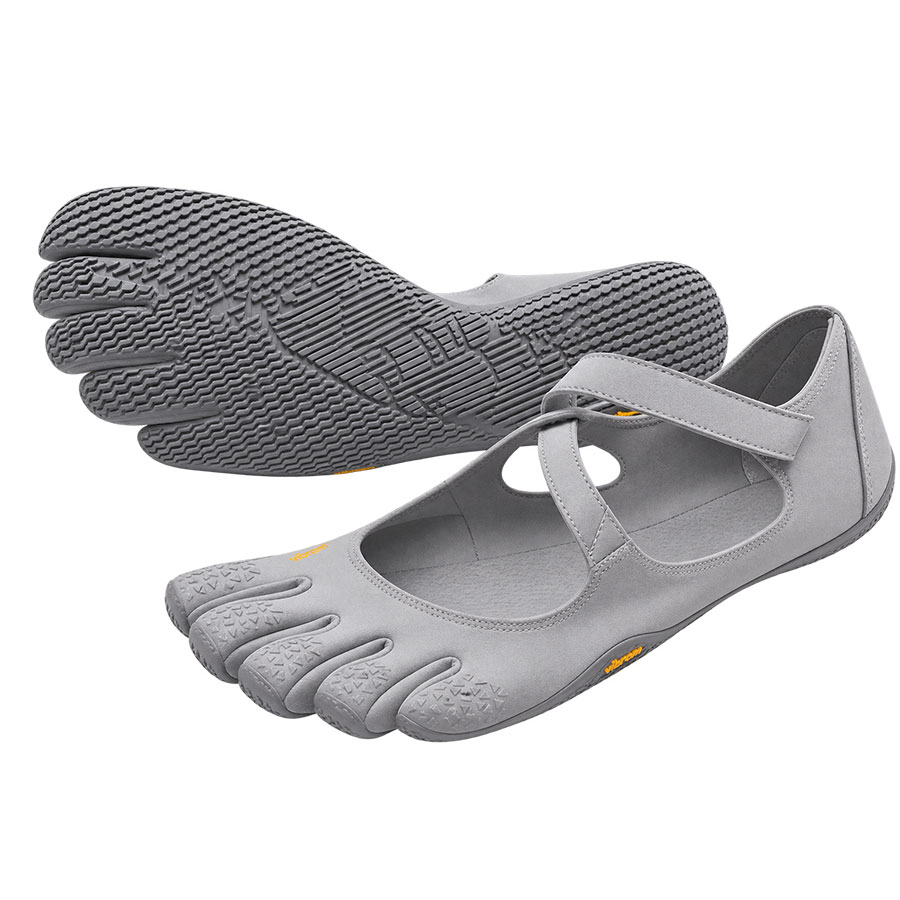
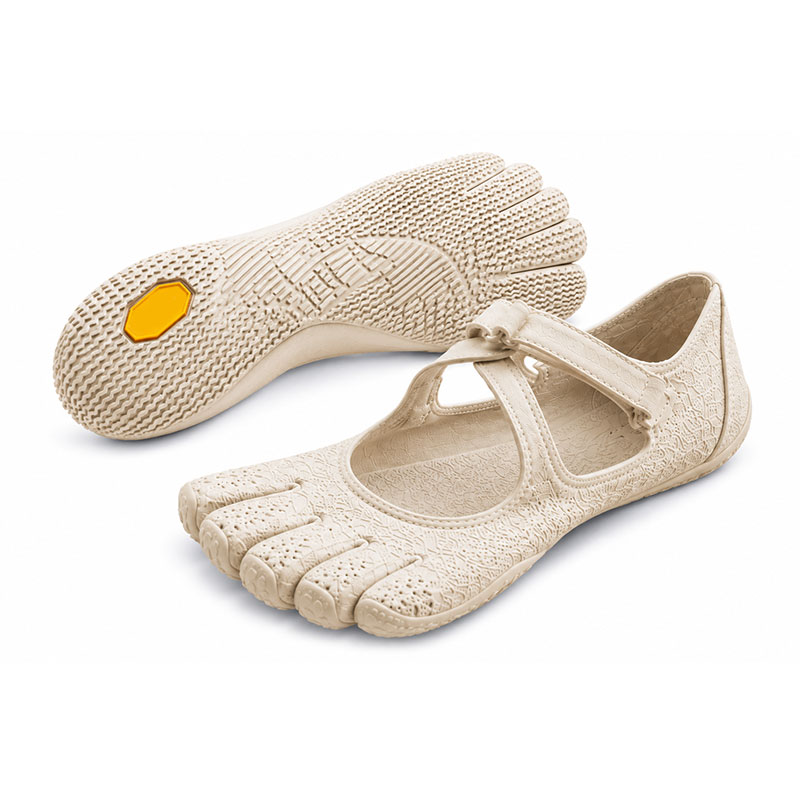
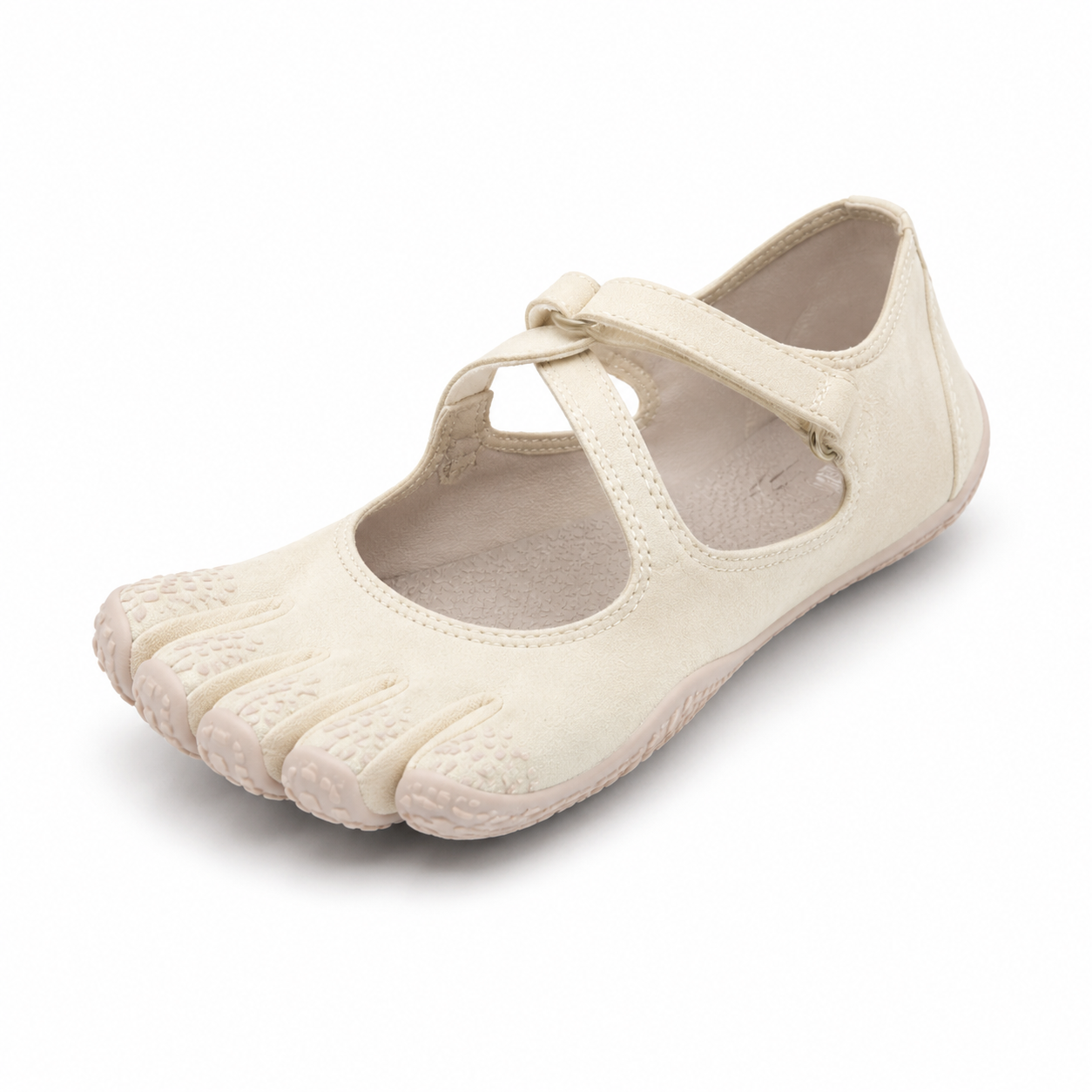
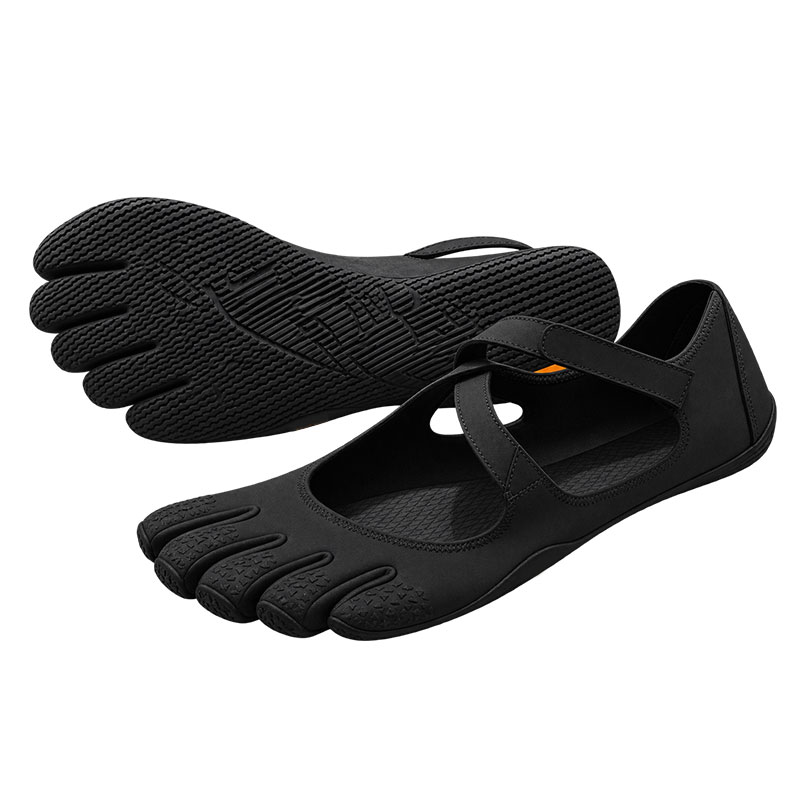
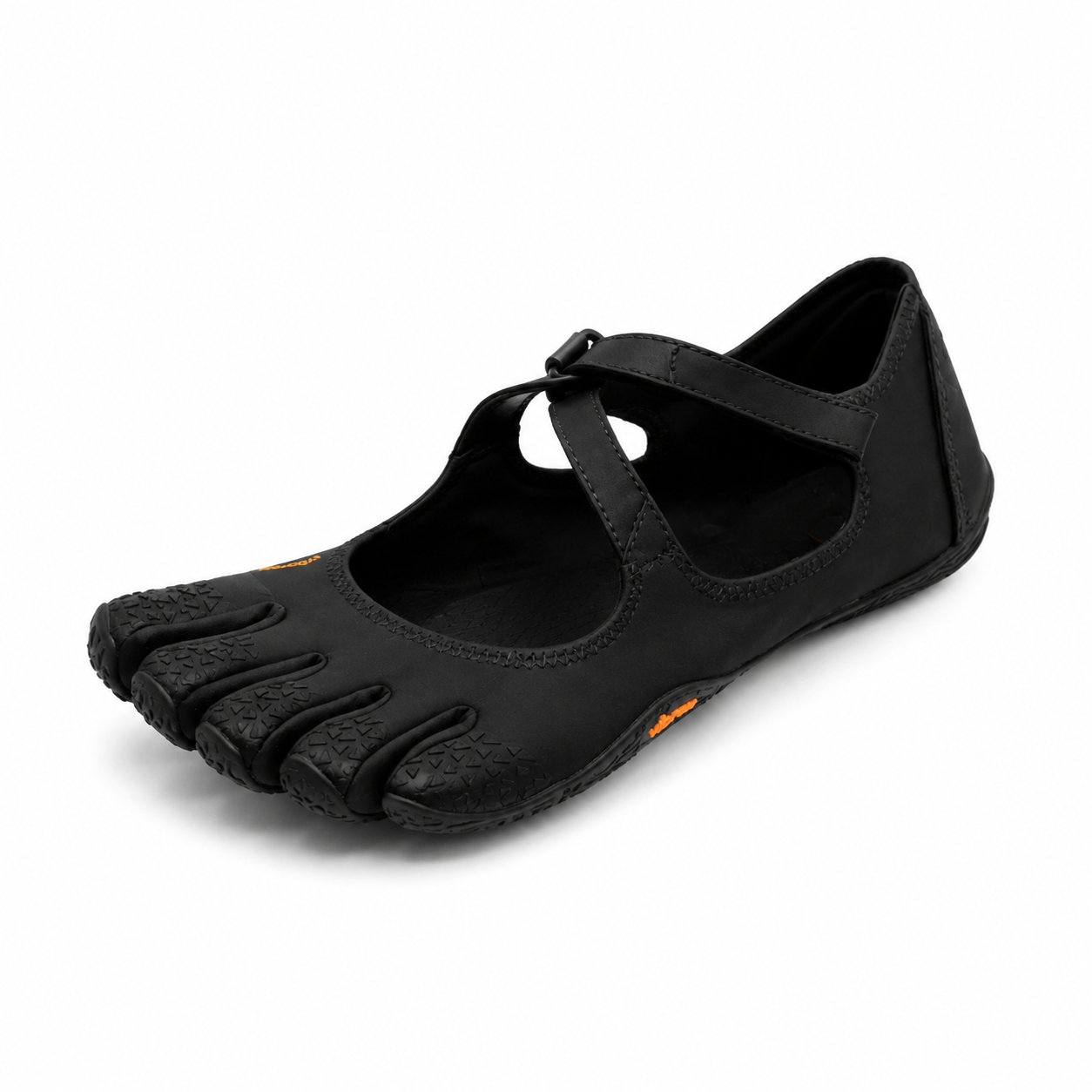
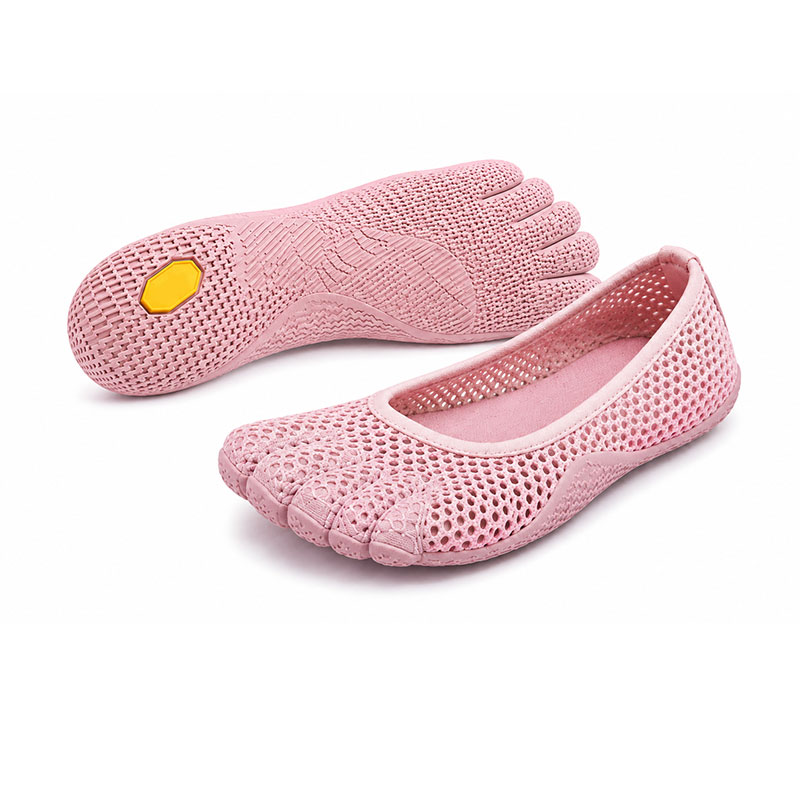
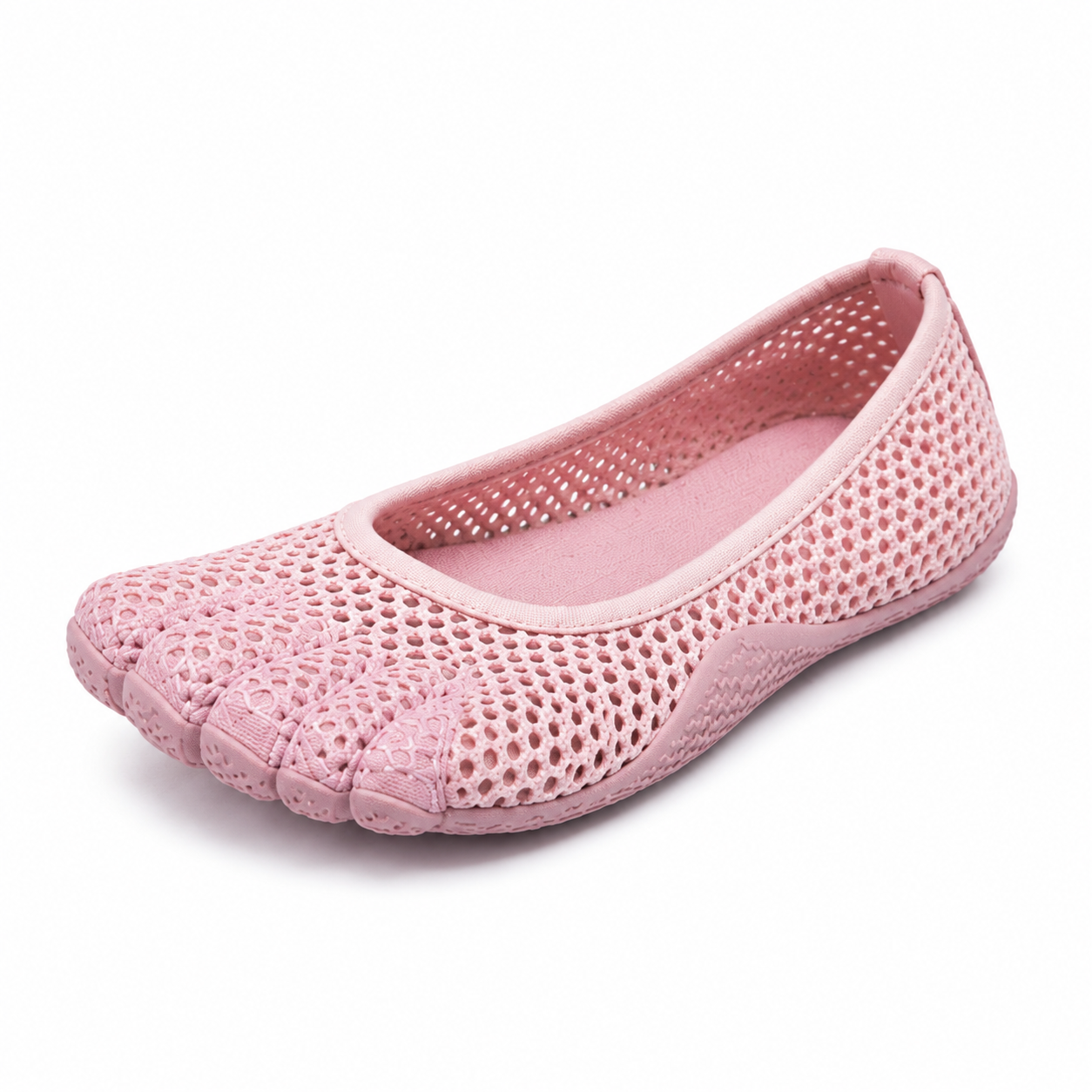
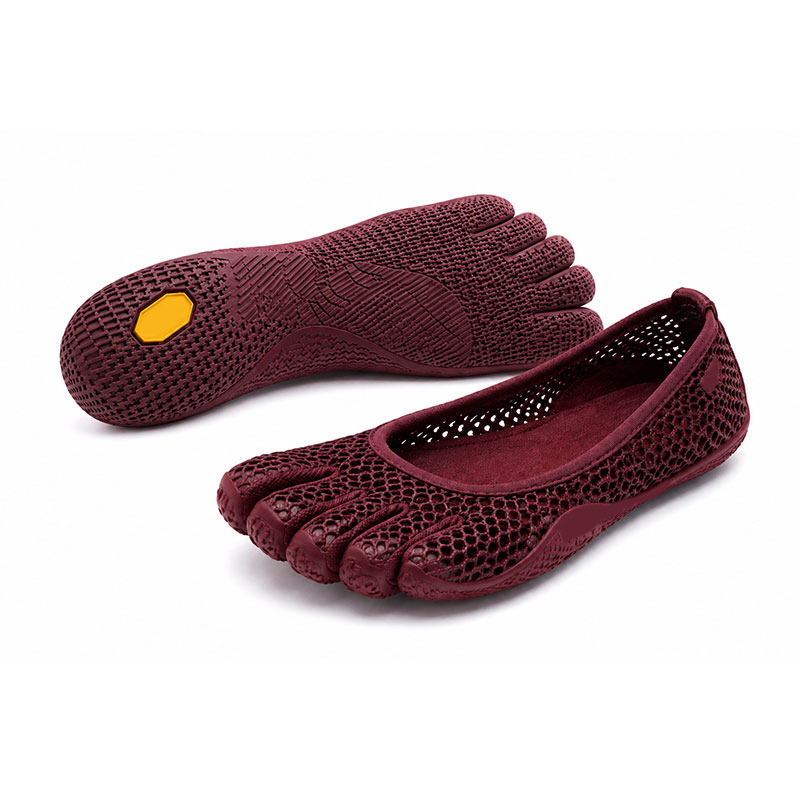
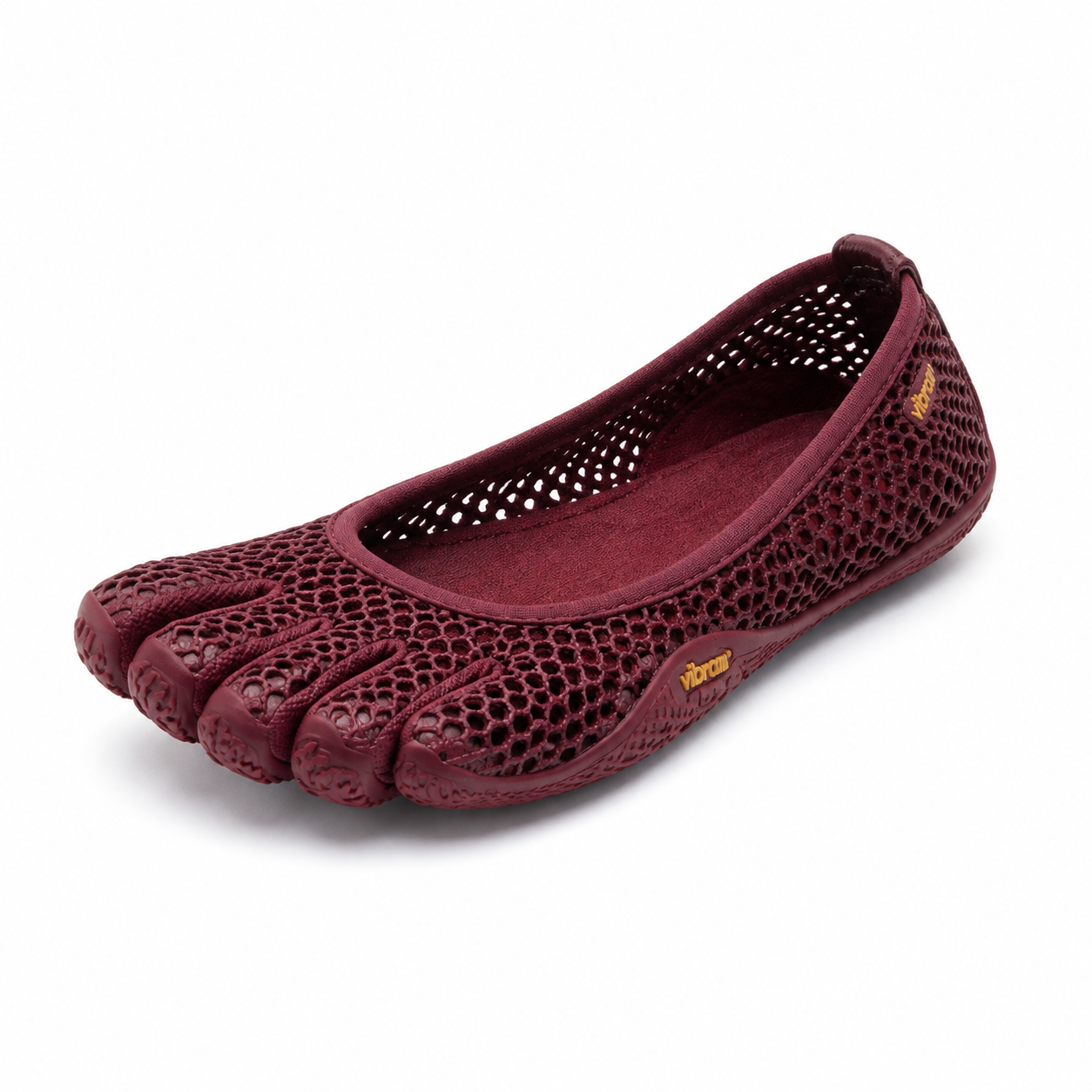
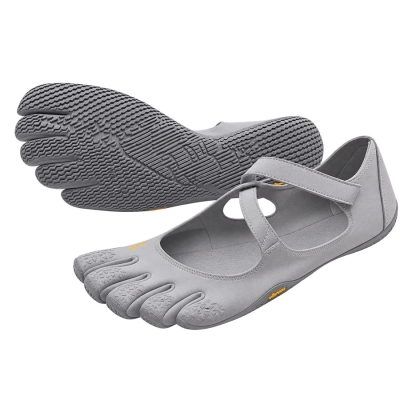
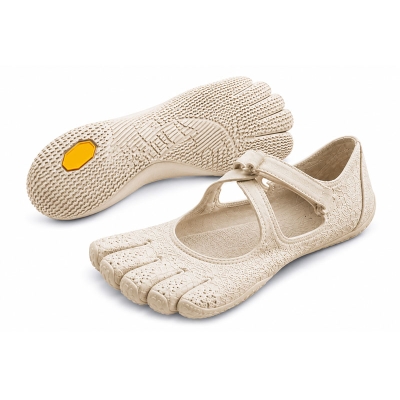
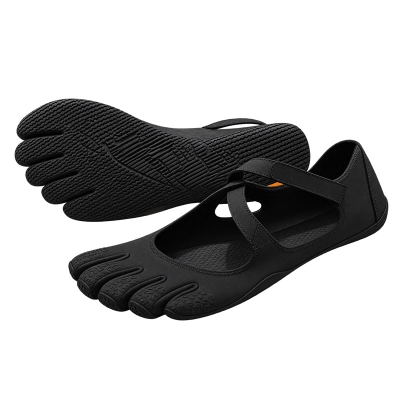
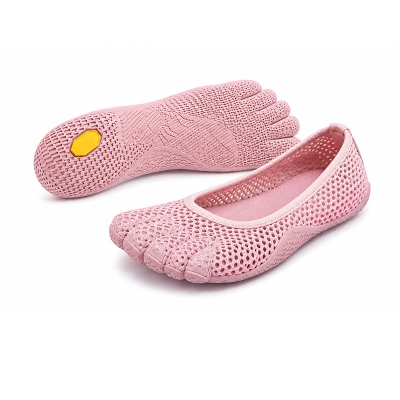
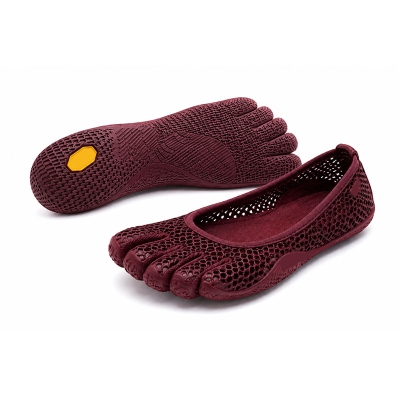
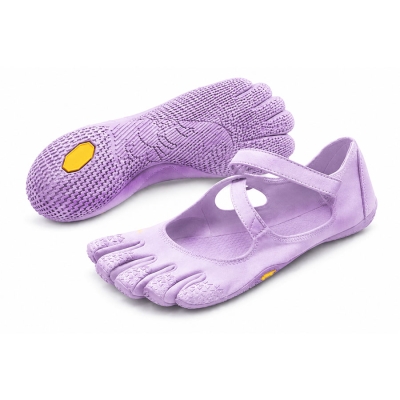
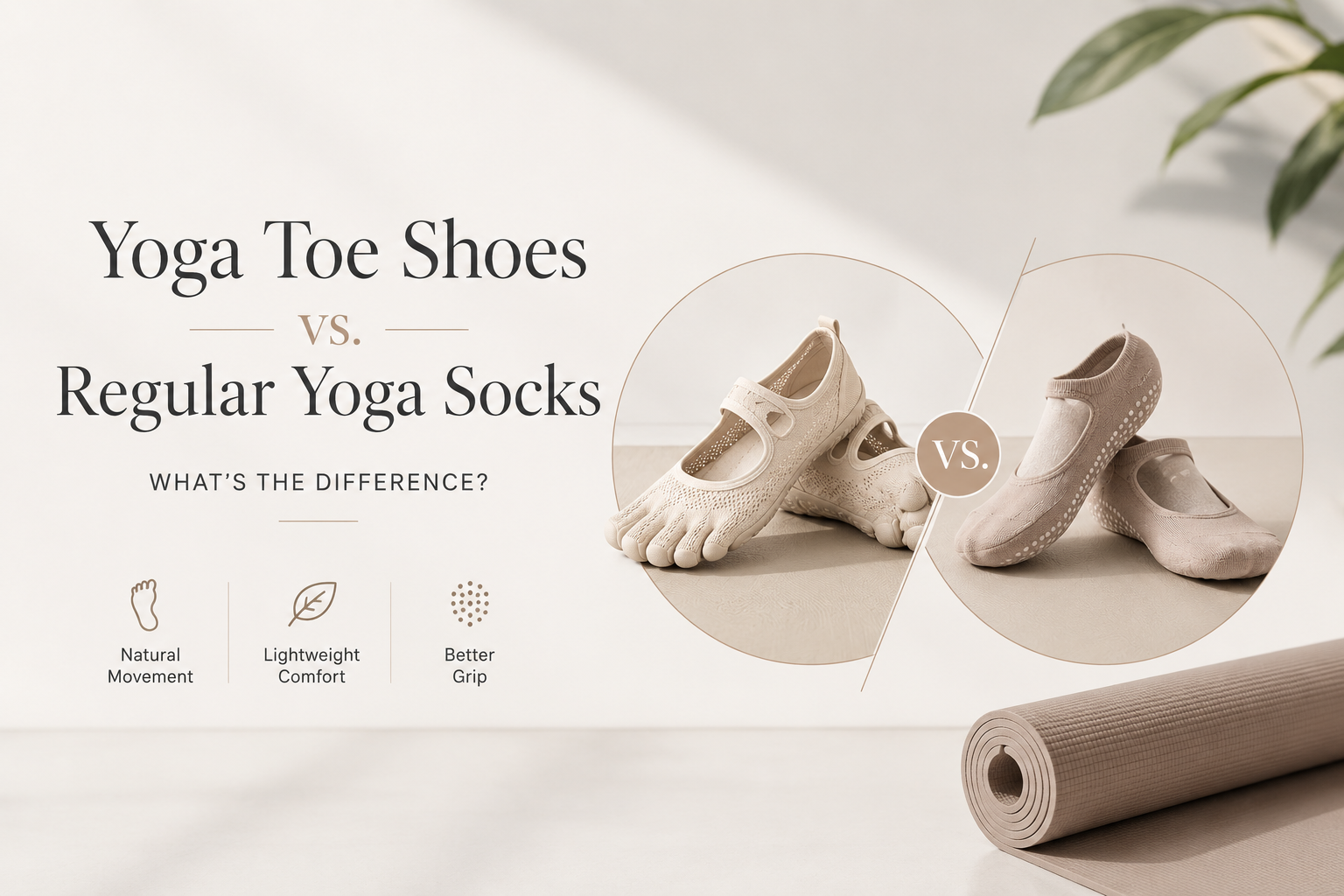
Instead of covering the toes together like a traditional sock, toe shoes have separate spaces for each toe, allowing the toes to move more independently.
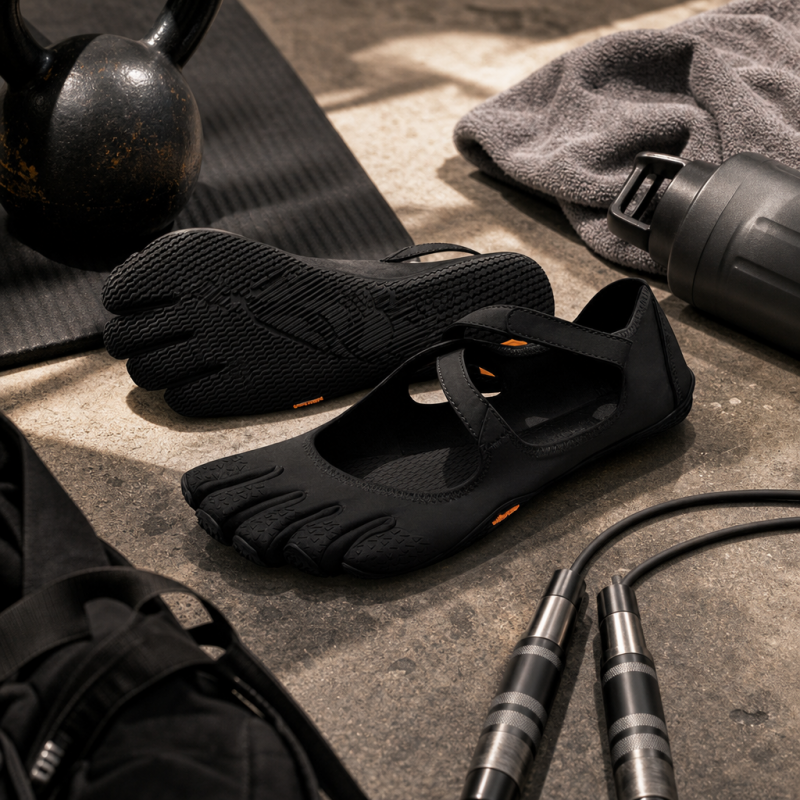
Many barefoot-style designs also feature a thin, flexible sole that aims to provide a more natural feel while adding a layer of protection between your feet and the ground.
Key Features
- Individual toe sections
- Flexible construction
- Thin, lightweight sole
- Barefoot-inspired design
- Added protection from the floor
- Designed for natural foot movement
The goal isn't to make your feet feel bulky or restricted. Instead, yoga toe shoes are designed to provide a balance between barefoot freedom and everyday protection.
03 — Yoga Toe Shoes vs. Yoga Socks
So, what is the actual difference?
Here's a quick comparison:
| Feature | Yoga Toe Shoes | Regular Yoga Socks |
|---|---|---|
| Individual toe design | ✓ | Usually no |
| Barefoot-style feel | ✓ | Moderate |
| Grip | ✓ | ✓ |
| Foot protection | More | Less |
| Keeps feet warm | ✓ | ✓ |
| Toe movement | More independent | More restricted |
| Sole | Usually thin & flexible | Usually fabric |
| Outdoor use | Some styles | Limited |
| Pilates | ✓ | ✓ |
| Yoga | ✓ | ✓ |
The biggest difference is how your feet interact with the ground.
Yoga socks generally feel more like a traditional sock, while yoga toe shoes are designed to provide a more barefoot-inspired experience.
04 — Which One Gives You Better Grip?
Grip is one of the main reasons people choose specialized yoga footwear.
Regular yoga socks typically use silicone or rubber grip patterns on the bottom. These can help reduce slipping when moving between poses.
Yoga toe shoes can also feature textured or non-slip soles. Because many designs have a thin sole, they can provide a closer-to-the-ground feeling while still adding traction.
However, grip performance depends heavily on the material, sole design, and surface you're practicing on.
For a smooth studio floor, either option may work well. For outdoor surfaces, a yoga toe shoe with a protective sole may be more practical.
05 — Which Is Better for Natural Movement?
This is where yoga toe shoes have a noticeable difference.
With regular socks, your toes remain inside one shared toe area.
With toe shoes, each toe has its own space.
This design allows your toes to move more independently and can give you a greater sense of connection with the ground.
For people who enjoy barefoot yoga, this can feel more familiar.
That said, everyone's feet are different. Some people immediately enjoy the individual-toe design, while others prefer the simplicity of traditional socks.
06 — Which Is More Comfortable?
Comfort is highly personal.
If you prefer something soft, simple, and familiar, regular yoga socks may be the easier choice.
They're especially convenient for:
- Morning yoga
- Indoor workouts
- Pilates
- Stretching
- Cooler rooms
Yoga toe shoes may be a better fit if you prefer:
- More toe freedom
- A barefoot-inspired feel
- More foot protection
- Outdoor yoga
- A flexible sole
- A more secure connection with the ground
The most important factor is finding footwear that doesn't feel restrictive during movement.
07 — What About Yoga and Pilates?
Both options can work well for yoga and Pilates.
Yoga Socks
Regular yoga socks are particularly convenient for indoor studio classes where you mainly need warmth and additional grip.
Yoga Toe Shoes
Yoga toe shoes can be useful when you want a little more protection while maintaining flexibility and natural movement.
They're also worth considering for Pilates, stretching, home workouts, and other low-impact activities.
08 — Can You Practice Yoga Outdoors?
Outdoor yoga introduces a different consideration: the surface beneath your feet.
Grass, wooden decks, concrete, and other outdoor surfaces can be very different from a clean studio floor.
Regular yoga socks provide some warmth and a little protection, but their fabric construction isn't necessarily designed for rough outdoor surfaces.
A barefoot-style yoga toe shoe with a thin protective sole can offer another layer between your feet and the ground.
For outdoor sessions, look for a design that is:
Lightweight + Flexible + Breathable + Durable + Grippy
09 — Which One Should You Choose?
There's no single answer for everyone.
Choose Regular Yoga Socks If You Want:
✓ A simple and familiar feel
✓ Soft fabric against your skin
✓ Extra warmth
✓ Grip for indoor practice
✓ Easy everyday use
Choose Yoga Toe Shoes If You Want:
✓ Individual toe movement
✓ A barefoot-inspired experience
✓ More protection from the ground
✓ Flexible, lightweight footwear
✓ A versatile option for yoga and Pilates
Think about where you practice and what you want your footwear to do.
If your main priority is softness and simplicity, yoga socks may be enough.
If you're looking for natural movement with a little more protection, yoga toe shoes may be worth trying.
10 — The Bottom Line
Yoga toe shoes and regular yoga socks aren't really competitors—they're simply designed for slightly different preferences.
Yoga socks are soft, lightweight, and convenient, making them a popular choice for indoor yoga and Pilates.
Yoga toe shoes take the barefoot concept a step further by giving each toe more independence while adding a thin layer of protection and traction.
Ultimately, the best option is the one that helps you feel comfortable, stable, and confident during your practice.
Your yoga practice is personal. Your footwear can be, too.
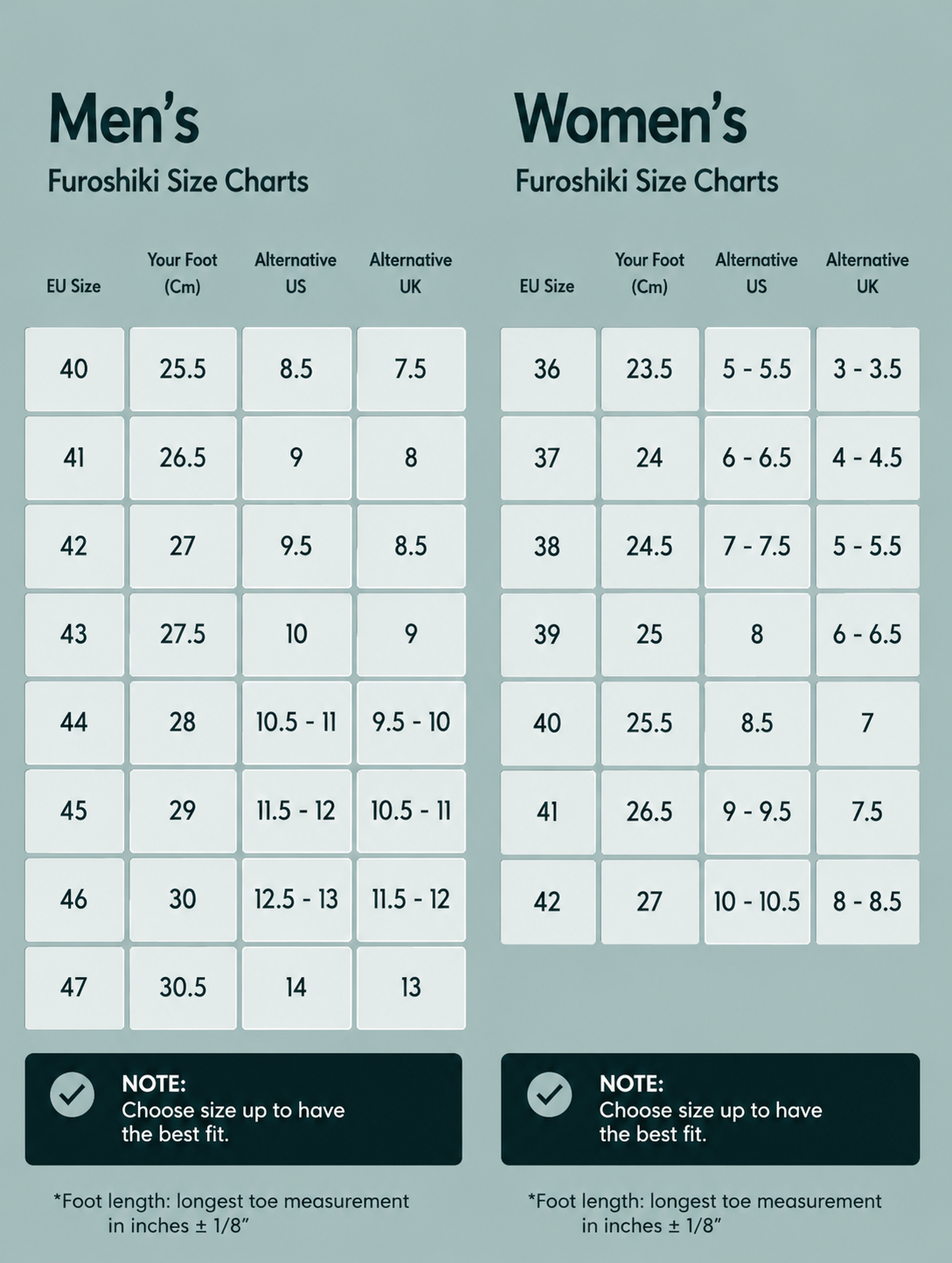
Find Your Perfect Fit
Whether you prefer the simplicity of yoga socks or the natural feel of barefoot-style footwear, the right choice should allow you to move comfortably and focus on your practice.
Move naturally. Stay comfortable. Find your flow.